

-
Home
-
About us
-
Properties
-
Our region
-
Rental
-
Sell
-
Blog
-
Contact
- NL
- ES
- EN
- Nederlands
- Español
- English
- NL
- ES
- EN

Where to live in Spain?
Discover the place
that really suits you
Where to live in Spain?
Discover the place
that really suits you
Where to live in Spain?
Discover the place that really suits you
Where to live in Spain?
Discover the place that really suits you
Where to live in Spain?
Discover the place that really suits you
Where to live in Spain?
Discover the place
that really suits you
Where to live in Spain?
Discover the place
that really suits you
Where to live in Spain?
Discover the place that really suits you
Where to live in Spain?
Discover the place that really suits you
Where to live in Spain?
Discover the place that really suits you
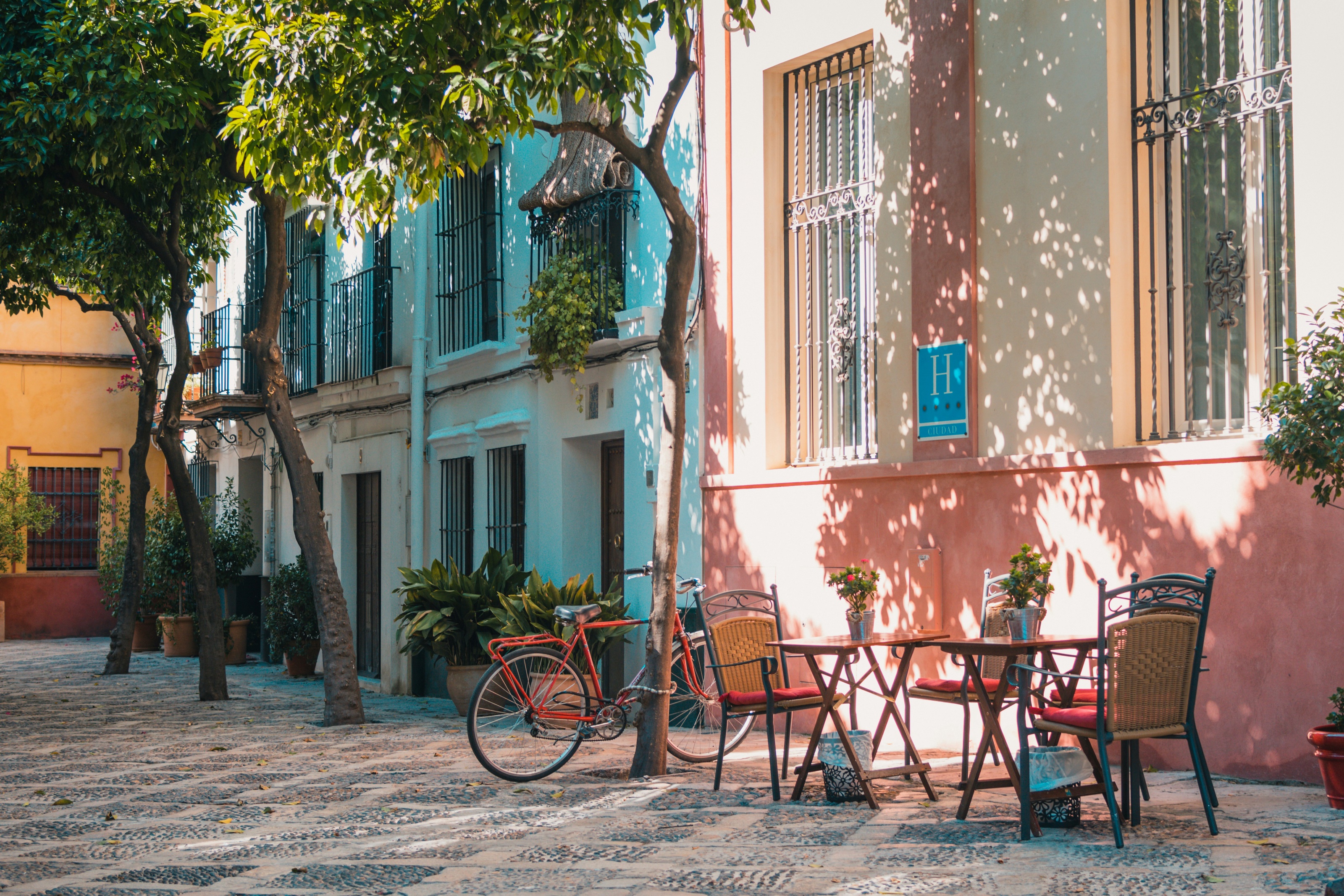
Spain is a country to fall in love with, but it is also a country of extremes. From the green, misty hills in the north to the sunny beaches in the south: the region you choose will determine what your life in Spain will look like.
Would you like to buy a house in Spain? Then the location is the only thing you cannot change later on. That is why we take you on a journey of discovery along the different coasts. As your estate agent in Spain, we do not give you sales pitches, but a clear picture of the atmosphere, the climate and details that you cannot see in a photo, but which are decisive for your enjoyment of living there.
Spain is a country to fall in love with, but it is also a country of extremes. From the green, misty hills in the north to the sunny beaches in the south: the region you choose will determine what your life in Spain will look like.
Would you like to buy a house in Spain? Then the location is the only thing you cannot change later on. That is why we take you on a journey of discovery along the different coasts. As your estate agent in Spain, we do not give you sales pitches, but a clear picture of the atmosphere, the climate and details that you cannot see in a photo, but which are decisive for your enjoyment of living there.
Spain is a country to fall in love with, but it is also a country of extremes. From the green, misty hills in the north to the sunny beaches in the south: the region you choose will determine what your life in Spain will look like.
Would you like to buy a house in Spain? Then the location is the only thing you cannot change later on. That is why we take you on a journey of discovery along the different coasts. As your estate agent in Spain, we do not give you sales pitches, but a clear picture of the atmosphere, the climate and details that you cannot see in a photo, but which are decisive for your enjoyment of living there.
Spain is a country to fall in love with, but it is also a country of extremes. From the green, misty hills in the north to the sunny beaches in the south: the region you choose will determine what your life in Spain will look like.
Would you like to buy a house in Spain? Then the location is the only thing you cannot change later on. That is why we take you on a journey of discovery along the different coasts. As your estate agent in Spain, we do not give you sales pitches, but a clear picture of the atmosphere, the climate and details that you cannot see in a photo, but which are decisive for your enjoyment of living there.
Navigate through the regions
Navigate through the regions
Navigate through the regions
Navigate through the regions
Spain is incredibly diverse and tastes vary, fortunately.
We have listed a few insights for you. This way, you can discover which region suits you best.
Spain is incredibly diverse and tastes vary, fortunately.
We have listed a few insights for you. This way, you can discover which region suits you best.
Spain is incredibly diverse and tastes vary, fortunately.
We have listed a few insights for you. This way, you can discover which region suits you best.
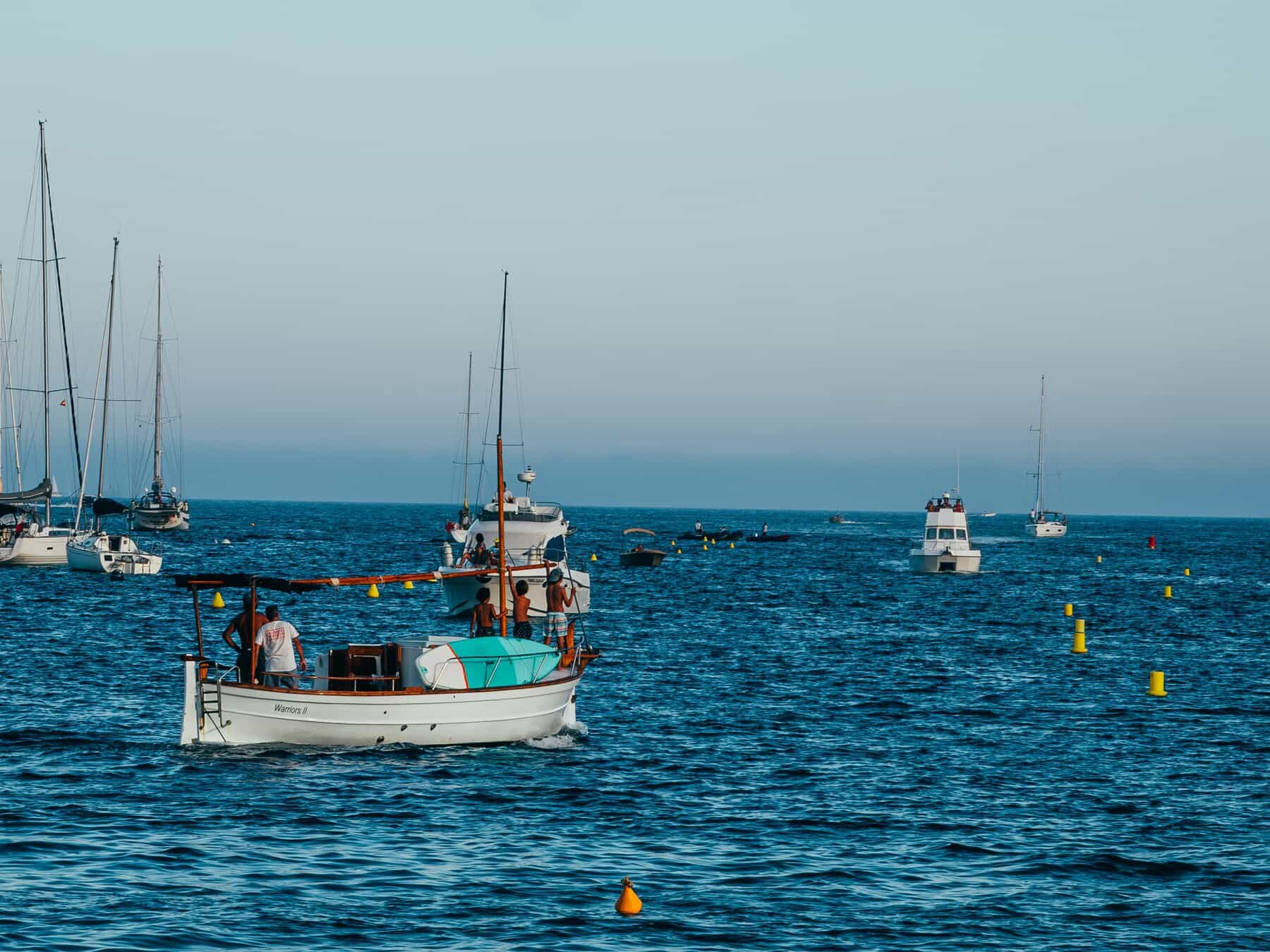
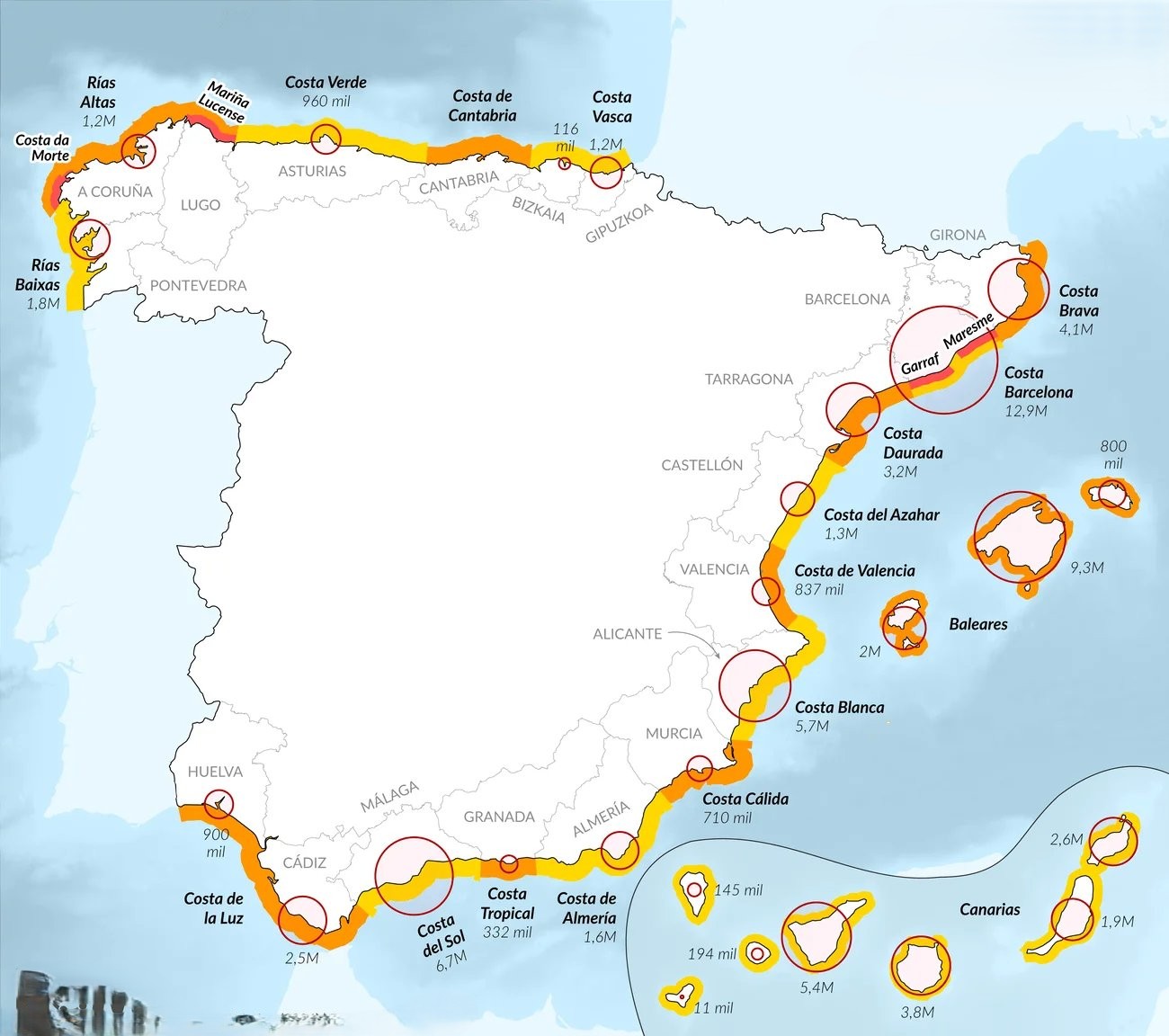
The big comparison with Spain
The big comparison with Spain
Geographically speaking, Spain is almost a continent in itself. Choosing a region often means choosing a specific lifestyle and, more importantly, a specific climate. We take you along the coastlines: from the rugged surfing beaches in the north to the sun-drenched 'Golden Spot'.
Geographically speaking, Spain is almost a continent in itself. Choosing a region often means choosing a specific lifestyle and, more importantly, a specific climate. We take you along the coastlines: from the rugged surfing beaches in the north to the sun-drenched 'Golden Spot'.
Geographically speaking, Spain is almost a continent in itself. Choosing a region often means choosing a specific lifestyle and, more importantly, a specific climate. We take you along the coastlines: from the rugged surfing beaches in the north to the sun-drenched 'Golden Spot'.
Geographically speaking, Spain is almost a continent in itself. Choosing a region often means choosing a specific lifestyle and, more importantly, a specific climate. We take you along the coastlines: from the rugged surfing beaches in the north to the sun-drenched 'Golden Spot'.
For the active foodie: think of cities such as Bilbao, San Sebastián and Santander. This is the Spain of green hills, top-rated Michelin-starred restaurants and iconic pilgrimage routes. It’s a fantastic place for walking and soaking up the culture without the heat getting in the way. The caveat: It’s beautifully green, but that also means it rains regularly. Winters are crisp and wet, comparable to a mild autumn in the Low Countries.
For the active foodie: think of cities such as Bilbao, San Sebastián and Santander. This is the Spain of green hills, top-rated Michelin-starred restaurants and iconic pilgrimage routes. It’s a fantastic place for walking and soaking up the culture without the heat getting in the way. The caveat: It’s beautifully green, but that also means it rains regularly. Winters are crisp and wet, comparable to a mild autumn in the Low Countries.
For the active foodie: think of cities such as Bilbao, San Sebastián and Santander. This is the Spain of green hills, top-rated Michelin-starred restaurants and iconic pilgrimage routes. It’s a fantastic place for walking and soaking up the culture without the heat getting in the way. The caveat: It’s beautifully green, but that also means it rains regularly. Winters are crisp and wet, comparable to a mild autumn in the Low Countries.
NORTH
For the active foodie: think of cities such as Bilbao, San Sebastián and Santander. This is the Spain of green hills, top-rated Michelin-starred restaurants and iconic pilgrimage routes. It’s a fantastic place for walking and soaking up the culture without the heat getting in the way. The caveat: It’s beautifully green, but that also means it rains regularly. Winters are crisp and wet, comparable to a mild autumn in the Low Countries.
For the active foodie: think of cities such as Bilbao, San Sebastián and Santander. This is the Spain of green hills, top-rated Michelin-starred restaurants and iconic pilgrimage routes. It’s a fantastic place for walking and soaking up the culture without the heat getting in the way. The caveat: It’s beautifully green, but that also means it rains regularly. Winters are crisp and wet, comparable to a mild autumn in the Low Countries.
The ultimate escape. From the Mediterranean flair of the Balearic Islands (Mallorca, Ibiza) to the eternal spring of the Canary Islands (Tenerife, Gran Canaria). Each island offers a unique form of freedom and escape in the middle of the ocean. The catch: you’re dependent on flights and boats. In winter, the Balearic Islands partly fall asleep, and on the Canary Islands, the cost of living is often higher due to the need for imports.
The ultimate escape. From the Mediterranean flair of the Balearic Islands (Mallorca, Ibiza) to the eternal spring of the Canary Islands (Tenerife, Gran Canaria). Each island offers a unique form of freedom and escape in the middle of the ocean. The catch: you’re dependent on flights and boats. In winter, the Balearic Islands partly fall asleep, and on the Canary Islands, the cost of living is often higher due to the need for imports.
The ultimate escape. From the Mediterranean flair of the Balearic Islands (Mallorca, Ibiza) to the eternal spring of the Canary Islands (Tenerife, Gran Canaria). Each island offers a unique form of freedom and escape in the middle of the ocean. The catch: you’re dependent on flights and boats. In winter, the Balearic Islands partly fall asleep, and on the Canary Islands, the cost of living is often higher due to the need for imports.
ISLANDS
The ultimate escape. From the Mediterranean flair of the Balearic Islands (Mallorca, Ibiza) to the eternal spring of the Canary Islands (Tenerife, Gran Canaria). Each island offers a unique form of freedom and escape in the middle of the ocean. The catch: you’re dependent on flights and boats. In winter, the Balearic Islands partly fall asleep, and on the Canary Islands, the cost of living is often higher due to the need for imports.
The ultimate escape. From the Mediterranean flair of the Balearic Islands (Mallorca, Ibiza) to the eternal spring of the Canary Islands (Tenerife, Gran Canaria). Each island offers a unique form of freedom and escape in the middle of the ocean. The catch: you’re dependent on flights and boats. In winter, the Balearic Islands partly fall asleep, and on the Canary Islands, the cost of living is often higher due to the need for imports.
The familiar classics. Places like Lloret de Mar and Salou evoke holiday memories for many. The proximity of the Pyrenees and the cosmopolitan city of Barcelona creates a setting full of character, rugged bays and distinct seasons. The caveat: In winter, the Tramontana reigns supreme here. This powerful north wind keeps the sky clear blue, but can make it feel much colder.
The familiar classics. Places like Lloret de Mar and Salou evoke holiday memories for many. The proximity of the Pyrenees and the cosmopolitan city of Barcelona creates a setting full of character, rugged bays and distinct seasons. The caveat: In winter, the Tramontana reigns supreme here. This powerful north wind keeps the sky clear blue, but can make it feel much colder.
The familiar classics. Places like Lloret de Mar and Salou evoke holiday memories for many. The proximity of the Pyrenees and the cosmopolitan city of Barcelona creates a setting full of character, rugged bays and distinct seasons. The caveat: In winter, the Tramontana reigns supreme here. This powerful north wind keeps the sky clear blue, but can make it feel much colder.
& DORADA
The familiar classics. Places like Lloret de Mar and Salou evoke holiday memories for many. The proximity of the Pyrenees and the cosmopolitan city of Barcelona creates a setting full of character, rugged bays and distinct seasons. The caveat: In winter, the Tramontana reigns supreme here. This powerful north wind keeps the sky clear blue, but can make it feel much colder.
The familiar classics. Places like Lloret de Mar and Salou evoke holiday memories for many. The proximity of the Pyrenees and the cosmopolitan city of Barcelona creates a setting full of character, rugged bays and distinct seasons. The caveat: In winter, the Tramontana reigns supreme here. This powerful north wind keeps the sky clear blue, but can make it feel much colder.
Culture by the coast. Around the city of Valencia, you’ll find a wonderful Spanish vibrancy. It is the region of orange trees, paella and wide sandy beaches. The perfect blend of a modern metropolis and laid-back beach life. The caveat: this region is very flat and water-rich due to the rice fields. In winter, this leads to higher humidity (damp cold), which may not be ideal for your joints.
Culture by the coast. Around the city of Valencia, you’ll find a wonderful Spanish vibrancy. It is the region of orange trees, paella and wide sandy beaches. The perfect blend of a modern metropolis and laid-back beach life. The caveat: this region is very flat and water-rich due to the rice fields. In winter, this leads to higher humidity (damp cold), which may not be ideal for your joints.
Culture by the coast. Around the city of Valencia, you’ll find a wonderful Spanish vibrancy. It is the region of orange trees, paella and wide sandy beaches. The perfect blend of a modern metropolis and laid-back beach life. The caveat: this region is very flat and water-rich due to the rice fields. In winter, this leads to higher humidity (damp cold), which may not be ideal for your joints.
VALENCIA REGION
Culture by the coast. Around the city of Valencia, you’ll find a wonderful Spanish vibrancy. It is the region of orange trees, paella and wide sandy beaches. The perfect blend of a modern metropolis and laid-back beach life. The caveat: this region is very flat and water-rich due to the rice fields. In winter, this leads to higher humidity (damp cold), which may not be ideal for your joints.
Culture by the coast. Around the city of Valencia, you’ll find a wonderful Spanish vibrancy. It is the region of orange trees, paella and wide sandy beaches. The perfect blend of a modern metropolis and laid-back beach life. The caveat: this region is very flat and water-rich due to the rice fields. In winter, this leads to higher humidity (damp cold), which may not be ideal for your joints.
A safe bet. From lively Málaga to the famous Marbella. The Costa del Sol is the tourist heart of Andalusia and has been a hugely popular destination for decades, boasting a comprehensive infrastructure, countless golf courses and a vibrant international social scene. The caveat: due to the mountains situated just behind the coast, available building land is scarce and the price per square metre is high. Furthermore, the influence of the Atlantic Ocean results in greater climatic variability and higher humidity in winter compared to the south-east coast.
A safe bet. From lively Málaga to the famous Marbella. The Costa del Sol is the tourist heart of Andalusia and has been a hugely popular destination for decades, boasting a comprehensive infrastructure, countless golf courses and a vibrant international social scene. The caveat: due to the mountains situated just behind the coast, available building land is scarce and the price per square metre is high. Furthermore, the influence of the Atlantic Ocean results in greater climatic variability and higher humidity in winter compared to the south-east coast.
A safe bet. From lively Málaga to the famous Marbella. The Costa del Sol is the tourist heart of Andalusia and has been a hugely popular destination for decades, boasting a comprehensive infrastructure, countless golf courses and a vibrant international social scene. The caveat: due to the mountains situated just behind the coast, available building land is scarce and the price per square metre is high. Furthermore, the influence of the Atlantic Ocean results in greater climatic variability and higher humidity in winter compared to the south-east coast.
A safe bet. From lively Málaga to the famous Marbella. The Costa del Sol is the tourist heart of Andalusia and has been a hugely popular destination for decades, boasting a comprehensive infrastructure, countless golf courses and a vibrant international social scene. The caveat: due to the mountains situated just behind the coast, available building land is scarce and the price per square metre is high. Furthermore, the influence of the Atlantic Ocean results in greater climatic variability and higher humidity in winter compared to the south-east coast.
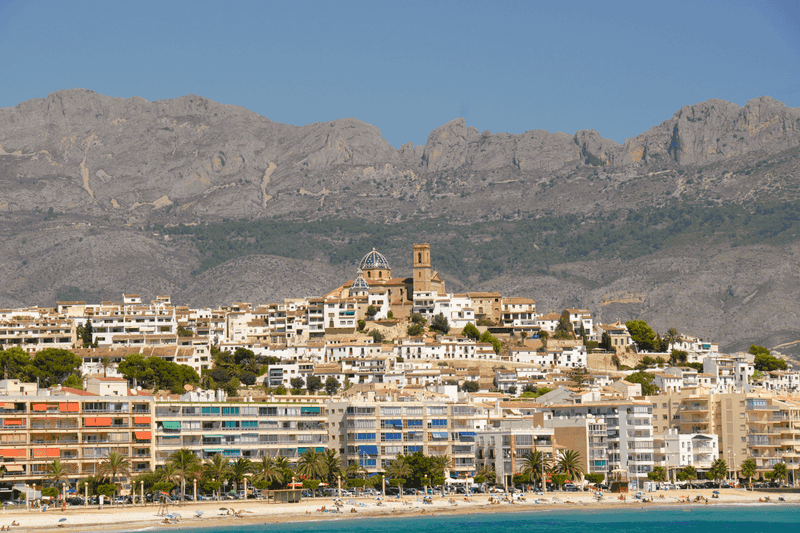
Spectacular green landscapes. Towns such as Altea, Dénia and Benidorm offer a magnificent mountainous setting. This is one of the most visually stunning regions in Spain, where villas often offer spectacular views of the blue Mediterranean Sea. The catch: those beautiful green mountains also trap more clouds and moisture. Consequently, statistically speaking, it rains more here and, in the winter months, temperatures are usually a few degrees lower than in the flatter south.
Spectacular green landscapes. Towns such as Altea, Dénia and Benidorm offer a magnificent mountainous setting. This is one of the most visually stunning regions in Spain, where villas often offer spectacular views of the blue Mediterranean Sea. The catch: those beautiful green mountains also trap more clouds and moisture. Consequently, statistically speaking, it rains more here and, in the winter months, temperatures are usually a few degrees lower than in the flatter south.
Spectacular green landscapes. Towns such as Altea, Dénia and Benidorm offer a magnificent mountainous setting. This is one of the most visually stunning regions in Spain, where villas often offer spectacular views of the blue Mediterranean Sea. The catch: those beautiful green mountains also trap more clouds and moisture. Consequently, statistically speaking, it rains more here and, in the winter months, temperatures are usually a few degrees lower than in the flatter south.
COSTA BLANCA
Spectacular green landscapes. Towns such as Altea, Dénia and Benidorm offer a magnificent mountainous setting. This is one of the most visually stunning regions in Spain, where villas often offer spectacular views of the blue Mediterranean Sea. The catch: those beautiful green mountains also trap more clouds and moisture. Consequently, statistically speaking, it rains more here and, in the winter months, temperatures are usually a few degrees lower than in the flatter south.
Spectacular green landscapes. Towns such as Altea, Dénia and Benidorm offer a magnificent mountainous setting. This is one of the most visually stunning regions in Spain, where villas often offer spectacular views of the blue Mediterranean Sea. The catch: those beautiful green mountains also trap more clouds and moisture. Consequently, statistically speaking, it rains more here and, in the winter months, temperatures are usually a few degrees lower than in the flatter south.
Spain’s ‘Golden Spot’. Towns such as Torrevieja, Orihuela Costa and Santiago de la Ribera make up the healthiest area on the mainland. The landscape is flatter and more accessible, making it ideal for walking, cycling and enjoying the great outdoors. The catch: You might find less 'bling' here than in the jet-set resorts, but in return you get peace and quiet and a unique microclimate. The dry, salty air by the salt lakes is worth its weight in gold for your wellbeing.
Spain’s ‘Golden Spot’. Towns such as Torrevieja, Orihuela Costa and Santiago de la Ribera make up the healthiest area on the mainland. The landscape is flatter and more accessible, making it ideal for walking, cycling and enjoying the great outdoors. The catch: You might find less 'bling' here than in the jet-set resorts, but in return you get peace and quiet and a unique microclimate. The dry, salty air by the salt lakes is worth its weight in gold for your wellbeing.
Spain’s ‘Golden Spot’. Towns such as Torrevieja, Orihuela Costa and Santiago de la Ribera make up the healthiest area on the mainland. The landscape is flatter and more accessible, making it ideal for walking, cycling and enjoying the great outdoors. The catch: You might find less 'bling' here than in the jet-set resorts, but in return you get peace and quiet and a unique microclimate. The dry, salty air by the salt lakes is worth its weight in gold for your wellbeing.
Spain’s ‘Golden Spot’. Towns such as Torrevieja, Orihuela Costa and Santiago de la Ribera make up the healthiest area on the mainland. The landscape is flatter and more accessible, making it ideal for walking, cycling and enjoying the great outdoors. The catch: You might find less 'bling' here than in the jet-set resorts, but in return you get peace and quiet and a unique microclimate. The dry, salty air by the salt lakes is worth its weight in gold for your wellbeing.
Spain’s ‘Golden Spot’. Towns such as Torrevieja, Orihuela Costa and Santiago de la Ribera make up the healthiest area on the mainland. The landscape is flatter and more accessible, making it ideal for walking, cycling and enjoying the great outdoors. The catch: You might find less 'bling' here than in the jet-set resorts, but in return you get peace and quiet and a unique microclimate. The dry, salty air by the salt lakes is worth its weight in gold for your wellbeing.
Authenticity, tranquillity and space. The inland regions offer the ‘real’ Spain and plenty of properties to suit your budget. Bear in mind that the climate varies greatly. In central Spain and in some parts of Andalusia, winters are freezing and summers are extremely hot. In the valleys of Alicante and Murcia, this contrast is milder, allowing for comfortable living all year round. The caveat: in the deepest interior, prices are lower, but winters are often harsh. In Alicante and Murcia, lower prices and tranquillity are combined with a mild microclimate and the coast just 30–45 minutes away.
Authenticity, tranquillity and space. The inland regions offer the ‘real’ Spain and plenty of properties to suit your budget. Bear in mind that the climate varies greatly. In central Spain and in some parts of Andalusia, winters are freezing and summers are extremely hot. In the valleys of Alicante and Murcia, this contrast is milder, allowing for comfortable living all year round. The caveat: in the deepest interior, prices are lower, but winters are often harsh. In Alicante and Murcia, lower prices and tranquillity are combined with a mild microclimate and the coast just 30–45 minutes away.
Authenticity, tranquillity and space. The inland regions offer the ‘real’ Spain and plenty of properties to suit your budget. Bear in mind that the climate varies greatly. In central Spain and in some parts of Andalusia, winters are freezing and summers are extremely hot. In the valleys of Alicante and Murcia, this contrast is milder, allowing for comfortable living all year round. The caveat: in the deepest interior, prices are lower, but winters are often harsh. In Alicante and Murcia, lower prices and tranquillity are combined with a mild microclimate and the coast just 30–45 minutes away.
OF SPAIN
Authenticity, tranquillity and space. The inland regions offer the ‘real’ Spain and plenty of properties to suit your budget. Bear in mind that the climate varies greatly. In central Spain and in some parts of Andalusia, winters are freezing and summers are extremely hot. In the valleys of Alicante and Murcia, this contrast is milder, allowing for comfortable living all year round. The caveat: in the deepest interior, prices are lower, but winters are often harsh. In Alicante and Murcia, lower prices and tranquillity are combined with a mild microclimate and the coast just 30–45 minutes away.
Authenticity, tranquillity and space. The inland regions offer the ‘real’ Spain and plenty of properties to suit your budget. Bear in mind that the climate varies greatly. In central Spain and in some parts of Andalusia, winters are freezing and summers are extremely hot. In the valleys of Alicante and Murcia, this contrast is milder, allowing for comfortable living all year round. The caveat: in the deepest interior, prices are lower, but winters are often harsh. In Alicante and Murcia, lower prices and tranquillity are combined with a mild microclimate and the coast just 30–45 minutes away.
Climate and health: the Spanish check-up
Climate and health:
the Spanish check-up
Climate and health: the Spanish check-up
Climate and health: the Spanish check-up
Climate and health:
the Spanish check-up
Climate and health: the Spanish check-up
Influence of Spanish geography
on your body explained.
Most people look to Spain for sunshine, but the sun alone does not tell the whole story. Spain's geography, from its high mountain ranges to the influence of the open ocean, determines whether that warmth actually feels pleasant to your body.
The influence of Spain's geography on your body explained...
Thermometer vs.
perceived temperature
Thermometer vs. perceived temperature
Thermometer vs.
perceived temperature
Thermometer vs. perceived temperature
Throughout Spain, temperatures can rise significantly in the summer, but the real test is in the winter.
Regions such as the Costa del Sol (Malaga) or the Costa de la Luz (Cadiz) are more exposed to the Atlantic Ocean winds, which can result in cooler temperatures. The places we consider to be the 'golden spots' are therefore located further behind the mountain ranges on the Costa Blanca (Alicante) and Costa Cálida (Murcia). Because the mountains act as a natural wall, they block the colder north wind, allowing you to enjoy a more stable microclimate where your winter coat stays in the closet more often.
Throughout Spain, temperatures can rise significantly in the summer, but the real test is in the winter.
Regions such as the Costa del Sol (Malaga) or the Costa de la Luz (Cadiz) are more exposed to the Atlantic Ocean winds, which can result in cooler temperatures. The places we consider to be the 'golden spots' are therefore located further behind the mountain ranges on the Costa Blanca (Alicante) and Costa Cálida (Murcia). Because the mountains act as a natural wall, they block the colder north wind, allowing you to enjoy a more stable microclimate where your winter coat stays in the closet more often.
Temperatures can soar across Spain in summer, but the real test comes in winter.
Regions such as the Costa del Sol (Málaga) or the Costa de la Luz (Cádiz) are somewhat more exposed to the Atlantic winds. This could result in a cooler breeze. The spots we consider to be the ‘golden spots’ are therefore located further back, behind the mountain ranges on the Costa Blanca (Alicante) and Costa Cálida (Murcia). Because the mountains act as a natural barrier, they block the colder north wind, allowing you to enjoy a more stable microclimate where that winter coat stays in the wardrobe more often.
Throughout Spain, temperatures can rise significantly in the summer, but the real test is in the winter.
Regions such as the Costa del Sol (Malaga) or the Costa de la Luz (Cadiz) are more exposed to the Atlantic Ocean winds, which can result in cooler temperatures. The places we consider to be the 'golden spots' are therefore located further behind the mountain ranges on the Costa Blanca (Alicante) and Costa Cálida (Murcia). Because the mountains act as a natural wall, they block the colder north wind, allowing you to enjoy a more stable microclimate where your winter coat stays in the closet more often.
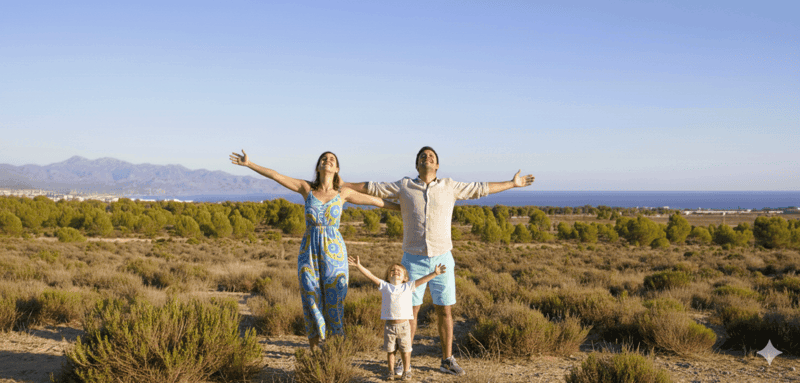
The invisible barrier:
humidity
The invisible barrier: humidity
The invisible barrier:
humidity
The invisible barrier:
humidity
The invisible barrier:
humidity
The invisible barrier: humidity
The invisible barrier:
humidity
The invisible barrier:
humidity
This is perhaps the biggest difference between the regions: how "heavy" does the air feel?
In the beautiful green areas of the north (Costa Brava) or on the islands (Mallorca/Ibiza), the humidity is often much higher. This is wonderful for the palm trees, but less favorable for those who are sensitive to chest or joint problems. The further you travel towards our 'Golden Spot' (towards Alicante and Murcia), the drier the air becomes. This is due to the natural barrier of the inland and the lack of dense forestation.
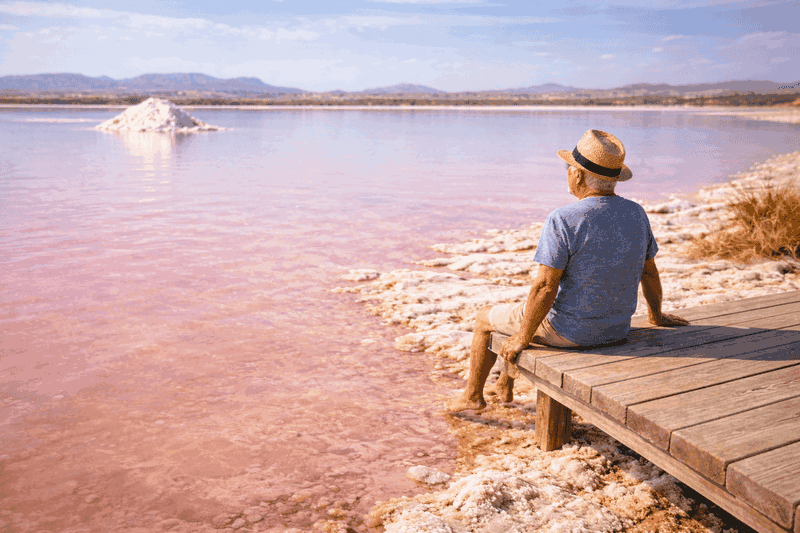
The secret weapon:
natural ionization
The secret weapon: natural ionization
The secret weapon:
natural ionization
The secret weapon:
natural ionization
The secret weapon: natural ionization
The secret weapon:
natural ionization
There are only a few places in the world where all the pieces of the puzzle for your health come together perfectly.
It is no coincidence that the World Health Organization (WHO) often refers to the region around the salt lakes of Torrevieja and San Pedro del Pinatar. In this corner of the 'Golden Spot', the dry microclimate and the evaporation of minerals come together. This creates a unique, purified air with a high concentration of iodine.
Insider tip: Don't just look at the hours of sunshine, but also check the nighttime temperature in January. That's where the mountain wall shows its real magic.
Insider tip: It's a bit like the difference between a warm hair dryer and a steam course in the bathroom. Dry air at 20°C feels warmer and literally gives you more breathing space.
Insider tip: Take a walk by the salt lakes just after sunrise. The concentration of minerals in the air is at its highest then, providing a natural vitamin boost for your lungs and joints!
Taxes and
tax relief
Taxes and
tax relief
Taxes and tax relief
The tax file: Where will you pay what in 2026?
The tax file: Where will you pay what in 2026?
The tax file:
Where will you pay what in 2026?
The tax file: Where will you pay what in 2026?
The tax file: Where will you pay what in 2026?
The tax file: Where will you pay what in 2026?
The tax file:
Where will you pay what in 2026?
The tax file: Where will you pay what in 2026?

A first impression of Spanish real estate taxation
The tax burden in Spain is not the same everywhere. While some regions opt for a low initial tax rate to stimulate investment, others choose a higher rate due to enormous popularity and market pressure. Below is a comparison of the eight most important regions.
A first impression of Spanish real estate taxation
The tax burden in Spain is not the same everywhere. While some regions opt for a low initial tax rate to stimulate investment, others choose a higher rate due to enormous popularity and market pressure. Below is a comparison of the eight most important regions.
A first impression of Spanish real estate taxation
The tax burden in Spain is not the same everywhere. While some regions opt for a low initial tax rate to stimulate investment, others choose a higher rate due to enormous popularity and market pressure. Below is a comparison of the eight most important regions.
Purchase tax (ITP):
What are the initial costs?
Purchase tax (ITP):
What are the initial costs?
Purchase tax (ITP):
What are the initial costs?
Purchase tax (ITP): What are the initial costs?
Purchase tax (ITP):
What are the initial costs?
Purchase tax (ITP):
What are the initial costs?
Purchase tax (ITP):
What are the initial costs?
Purchase tax (ITP): What are the initial costs?
When purchasing a property, you must distinguish between new builds and existing properties:
- New builds: You pay 10% VAT (IVA) nationally. In the Canary Islands, the IGIC rate is 7%.
- Existing properties (ITP): This rate is determined regionally and varies greatly depending on the coastline.
When purchasing a property, you must distinguish between new builds and existing properties:
- New builds: You pay 10% VAT (IVA) nationally. In the Canary Islands, the IGIC rate is 7%.
- Existing properties (ITP): This rate is determined regionally and varies greatly depending on the coastline.
When purchasing a property, you must distinguish between new builds and existing properties:
- New builds: You pay 10% VAT (IVA) nationally. In the Canary Islands, the IGIC rate is 7%.
- Existing properties (ITP): This rate is determined regionally and varies greatly depending on the coastline.
Regions with reduced
fixed rates (6% - 8%)
Regions with reduced fixed rates
(6% - 8%)
Regions with reduced fixed rates (6% - 8%)
Regions with market-based /
progressive rate (9% - 13%)
Regions with reduced fixed rates
(6% - 8%)
Regions with market-based /
progressive rate (9% - 13%)
Regions with market-based / progressive rate
(9% - 13%)
Regions with market-based / progressive rate (9% - 13%)
In these areas, the government deliberately tries to keep the threshold for buyers low.
Madrid (6%): The fiscal frontrunner. Although property prices here are historically high, the government keeps purchase tax low in order to attract capital.
Canary Islands (6.5%): A unique regime. A favourable rate that supports the remote location and tourist ambitions.
Andalusia (7%): The Costa del Sol has a competitive rate. Please note: the lower tax is often offset by the higher market prices of the property itself.
Murcia, Costa Cálida (7.75%): Our area of expertise. Murcia combines a competitive tax rate with still very accessible property prices. This is where you often get the most 'house' for your money at the end of the day.
Basque Country (7%): A stable rate in a region with a strong economy of its own.
In these areas, the government deliberately tries to keep the threshold for buyers low.
Madrid (6%): The fiscal frontrunner. Although property prices here are historically high, the government keeps purchase tax low in order to attract capital.
Canary Islands (6.5%): A unique regime. A favourable rate that supports the remote location and tourist ambitions.
Andalusia (7%): The Costa del Sol has a competitive rate. Please note: the lower tax is often offset by the higher market prices of the property itself.
Murcia, Costa Cálida (7.75%): Our area of expertise. Murcia combines a competitive tax rate with still very accessible property prices. This is where you often get the most 'house' for your money at the end of the day.
Basque Country (7%): A stable rate in a region with a strong economy of its own.
These regions are extremely sought after. The higher tax reflects their popularity and proven rental value.
Valencia - Costa Blanca (10% → 9%*): The most popular coastline. The rate is currently 10%, but will drop to 9% on 1 June 2026. Buyers accept this rate because of the strong market and constant demand for holiday homes.
Northern Spain (Galicia/Asturias) (8% - 10%): Here, brackets are often used. The more expensive the property, the more you contribute.
Balearic Islands & Catalonia (10% - 13%): The absolute top locations. Here you pay for exclusivity. Investors see the higher ITP as the 'entry price' for a unique spot in Ibiza or on the Costa Brava.
These regions are extremely sought after. The higher tax reflects their popularity and proven rental value.
Valencia - Costa Blanca (10% → 9%*): The most popular coastline. The rate is currently 10%, but will drop to 9% on 1 June 2026. Buyers accept this rate because of the strong market and constant demand for holiday homes.
Northern Spain (Galicia/Asturias) (8% - 10%): Here, brackets are often used. The more expensive the property, the more you contribute.
Balearic Islands & Catalonia (10% - 13%): The absolute top locations. Here you pay for exclusivity. Investors see the higher ITP as the 'entry price' for a unique spot in Ibiza or on the Costa Brava.
Capital gains tax:
the balance between
region and state.
Capital gains tax:
the balance between region and state.
Capital gains tax:
the balance between region and state.
Capital gains tax:
the balance between region and state.
Capital gains tax:
the balance between region and state.
Capital gains tax:
the balance between
region and state.
Capital gains tax:
the balance between region and state.
Capital gains tax:
the balance between region and state.
Capital gains tax:
the balance between region and state.
Capital gains tax:
the balance between region and state.

If you own property in Spain, you will be subject to the Impuesto sobre el Patrimonio (IP). For most owners, there is no cause for concern thanks to generous exemptions, but for those with larger assets, the situation in 2026 has become more dynamic due to the national "solidarity tax".
If you own property in Spain, you will be subject to the Impuesto sobre el Patrimonio (IP). For most owners, there is no cause for concern thanks to generous exemptions, but for those with larger assets, the situation in 2026 has become more dynamic due to the national "solidarity tax".
If you own property in Spain, you will be subject to the Impuesto sobre el Patrimonio (IP). For most owners, there is no cause for concern thanks to generous exemptions, but for those with larger assets, the situation in 2026 has become more dynamic due to the national "solidarity tax".
If you own property in Spain, you will be subject to the Impuesto sobre el Patrimonio (IP). For most owners, there is no cause for concern thanks to generous exemptions, but for those with larger assets, the situation in 2026 has become more dynamic due to the national "solidarity tax".
How much is the exemption?
- Non-residents: You are only taxed on your property in Spain. In most regions (including Murcia and Valencia), there is a generous exemption of €700,000 per person.
- Residents: You are taxed on your worldwide assets, but often enjoy an additional exemption for your own home (usually up to €300,000).
How much is the exemption?
- Non-residents: You are only taxed on your property in Spain. In most regions (including Murcia and Valencia), there is a generous exemption of €700,000 per person.
- Residents: You are taxed on your worldwide assets, but often enjoy an additional exemption for your own home (usually up to €300,000).
How much is the exemption?
- Non-residents: You are only taxed on your property in Spain. In most regions (including Murcia and Valencia), there is a generous exemption of €700,000 per person.
- Residents: You are taxed on your worldwide assets, but often enjoy an additional exemption for your own home (usually up to €300,000).
How much is the exemption?
- Non-residents: You are only taxed on your property in Spain. In most regions (including Murcia and Valencia), there is a generous exemption of €700,000 per person.
- Residents: You are taxed on your worldwide assets, but often enjoy an additional exemption for your own home (usually up to €300,000).
The "solidarity tax" (ITSGF)
For estates worth more than €3,000,000, a minimum national tax applies. This is crucial for regions that previously offered a 100% reduction in wealth tax, such as Madrid and, more recently, Cantabria (for wealth below €3 million). In this way, the Treasury ensures that the wealthiest individuals always contribute a minimum percentage to the state coffers.
Inheritance tax:
Protecting family assets.
Inheritance tax:
Protecting
family assets.
Inheritance tax:
Protecting
family assets.
Inheritance tax:
Protecting family assets.
Inheritance tax:
Protecting family assets.
Inheritance tax:
Protecting
family assets.
Inheritance tax:
Protecting
family assets.
Inheritance tax:
Protecting family assets.
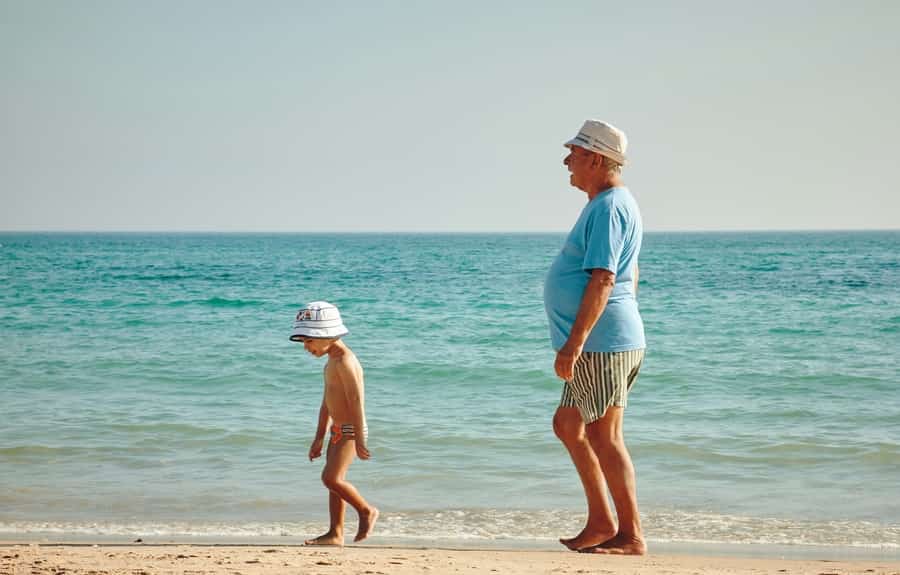
Inheritance tax in Spain is a regional responsibility. This means that the location of the property determines whether your inheritance is virtually tax-free or subject to progressive rates.
Below you will find the status in 2026 for immediate family members (partners, children, and parents).
Inheritance tax in Spain is a regional responsibility. This means that the location of the property determines whether your inheritance is virtually tax-free or subject to progressive rates.
Below you will find the status in 2026 for immediate family members (partners, children, and parents).
Regio’s met een
maximale bonificatie
Regions with
maximum bonus
Regions with
maximum bonus
Regions with
maximum bonus
Regions with
maximum bonus
In these areas, a political decision has been made to make inheritance within the immediate family almost completely tax-free.
Andalusië, Madrid & Valencia region:
These regions apply the well-known 99% rebate.
This means that you only have to pay 1% of the calculated tax amount. In practice, this is negligible for the average family fortune.
Murcia (Costa Cálida):
Applies a similar 99% discount for spouses and children, ensuring that your estate is optimally protected.
Galicië:
The absolute "exemption champion," in northwestern Spain, with a tax exemption of up to €1,000,000 per heir.
Only above this amount do you start paying tax.
In these areas, a political decision has been made to make inheritance within the immediate family almost completely tax-free.
Andalusië, Madrid & Valencia region:
These regions apply the well-known 99% rebate. This means that you only have to pay 1% of the calculated tax amount. In practice, this is negligible for the average family fortune.
Murcia (Costa Cálida):
Applies a similar 99% discount for spouses and children, ensuring that your estate is optimally protected.
Galicië:
The absolute "exemption champion," in northwestern Spain, with a tax exemption of up to €1,000,000 per heir. Only above this amount do you start paying tax.
In these areas, a political decision has been made to make inheritance within the immediate family almost completely tax-free.
✔ Andalusië, Madrid & Valencia region:
These regions apply the well-known 99% rebate. This means that you only have to pay 1% of the calculated tax amount. In practice, this is negligible for the average family fortune.
✔ Murcia (Costa Cálida):
Applies a similar 99% discount for spouses and children, ensuring that your estate is optimally protected.
✔ Galicië:
The absolute "exemption champion," in northwestern Spain, with a tax exemption of up to €1,000,000 per heir. Only above this amount do you start paying tax.
In these areas, a political decision has been made to make inheritance within the immediate family almost completely tax-free.
Andalusië, Madrid & Valencia region:
These regions apply the well-known 99% rebate. This means that you only have to pay 1% of the calculated tax amount. In practice, this is negligible for the average family fortune.
Murcia (Costa Cálida):
Applies a similar 99% discount for spouses and children, ensuring that your estate is optimally protected.
Galicië:
The absolute "exemption champion," in northwestern Spain, with a tax exemption of up to €1,000,000 per heir. Only above this amount do you start paying tax.
99% - 100% protection
Regions with a progressive system or limited exemption
Regions with a progressive
system or limited exemption
Tax planning is necessary here, because the tax burden can increase more quickly for larger assets.
Catalonia:
Does not apply a general 99% allowance. Children and partners are exempt up to €100,000. Above that amount, you pay progressive rates ranging from 7% to 32%.
Balearic islands (Ibiza/Mallorca):
Very favorable for direct descendants (0% rate for children/parents), but please note: for brothers, sisters, or cousins, the rates immediately jump to approximately 28%.
Basque Country:
Has its own system with an exemption up to €400,000. Above that amount, you pay a fixed low rate of 1.5% (not a 99% discount, but a flat tax).
Asturias:
One of the less lenient regions. The exemption is €300,000, after which rates start at 7.65% and rise to over 34% for very large estates.
Tax planning is necessary here, because the tax burden can increase more quickly for larger assets.
Catalonia:
Does not apply a general 99% allowance. Children and partners are exempt up to €100,000. Above that amount, you pay progressive rates ranging from 7% to 32%.
Balearic islands (Ibiza/Mallorca):
Very favorable for direct descendants (0% rate for children/parents), but please note: for brothers, sisters, or cousins, the rates immediately jump to approximately 28%.
Basque Country:
Has its own system with an exemption up to €400,000. Above that amount, you pay a fixed low rate of 1.5% (not a 99% discount, but a flat tax).
Asturias:
One of the less lenient regions. The exemption is €300,000, after which rates start at 7.65% and rise to over 34% for very large estates.
Tax planning is necessary here, because the tax burden can increase more quickly for larger assets.
Catalonia:
Does not apply a general 99% allowance. Children and partners are exempt up to €100,000. Above that amount, you pay progressive rates ranging from 7% to 32%.
Balearic islands (Ibiza/Mallorca):
Very favorable for direct descendants (0% rate for children/parents), but please note: for brothers, sisters, or cousins, the rates immediately jump to approximately 28%.
Basque Country:
Has its own system with an exemption up to €400,000. Above that amount, you pay a fixed low rate of 1.5% (not a 99% discount, but a flat tax).
Asturias:
One of the less lenient regions. The exemption is €300,000, after which rates start at 7.65% and rise to over 34% for very large estates.
In these areas, a political decision has been made to make inheritance within the immediate family almost completely tax-free.
✔ Andalusië, Madrid & Valencia region:
These regions apply the well-known 99% rebate. This means that you only have to pay 1% of the calculated tax amount. In practice, this is negligible for the average family fortune.
✔ Murcia (Costa Cálida):
Applies a similar 99% discount for spouses and children, ensuring that your estate is optimally protected.
✔ Galicië:
The absolute "exemption champion," in northwestern Spain, with a tax exemption of up to €1,000,000 per heir. Only above this amount do you start paying tax.
Tax planning is necessary here, because the tax burden can increase more quickly for larger assets.
Catalonia:
Does not apply a general 99% allowance. Children and partners are exempt up to €100,000. Above that amount, you pay progressive rates ranging from 7% to 32%.
Balearic islands (Ibiza/Mallorca):
Very favorable for direct descendants (0% rate for children/parents), but please note: for brothers, sisters, or cousins, the rates immediately jump to approximately 28%.
Basque Country:
Has its own system with an exemption up to €400,000. Above that amount, you pay a fixed low rate of 1.5% (not a 99% discount, but a flat tax).
Asturias:
One of the less lenient regions. The exemption is €300,000, after which rates start at 7.65% and rise to over 34% for very large estates.
Cost of living and accessibility.
Cost of living and accessibility.
Your budget
Where does your pension or budget go the furthest?
Your budget
Where does your pension or budget go the furthest?
Your budget
Where does your pension or budget go the furthest?
Your budget
Where does your pension or budget go the furthest?
Your budget
Where does your pension or budget go the furthest?
Your budget
Where does your pension or budget go the furthest?
Your budget
Where does your pension or budget go the furthest?
Your budget
Where does your pension or budget go the furthest?
Your budget
Where does your pension or budget go the furthest?
Your budget
Where does your pension or budget go the furthest?
THE MIDDLE GROUND
Costa Blanca, Costa del Sol, Valencia
The most popular regions. Lunch costs an average of €14.50 to €15.50. Here, you pay for the convenience of international supermarkets and every conceivable facility within easy reach.
THE MIDDLE GROUND
Costa Blanca, Costa del Sol, Valencia
The most popular regions. Lunch costs an average of €14.50 to €15.50. Here, you pay for the convenience of international supermarkets and every conceivable facility within easy reach.
THE MIDDLE GROUND
Costa Blanca, Costa del Sol, Valencia
The most popular regions. Lunch costs an average of €14.50 to €15.50. Here, you pay for the convenience of international supermarkets and every conceivable facility within easy reach.
PREMIUM ZONES
Balearen, Madrid, Marbella
Here, you have to let go of the "saving mindset." In the Balearic Islands, the cost of living in 2026 will be on average €12,000 per year higher than on the mainland.
Moving to Spain is a dream, but you have to be well prepared for it. The reality is that you have to choose wisely. Although the national food index (96 compared to 100 in the EU) suggests that the supermarket is almost as expensive as in your country, many residents of the southern regions experience considerable savings. How is this possible? Local markets and an abundance of fresh local produce make life here actually cheaper than the statistics indicate.

We divide Spain into three logical price categories, so you can immediately see where your lifestyle fits in:
THE SWEET SPOT
Murcia, Almería & the inland region
Are you looking for maximum purchasing power? In the Murcia region and on the coast of Almería (such as Mojácar), you can still pay around €13.00 for a three-course lunch. Here, you can also see in the shops that you are in the "vegetable garden of Europe"; fresh food is simply cheaper here..
Daily life in Spain
Daily life in Spain on a map
Daily life in Spain on a map
Daily life in Spain on a map

Accessibility
The stable flight hubs
Accessibility
The stable flight hubs
Accessibility
The stable flight hubs
Accessibility
The stable flight hubs
Accessibility
The stable flight hubs
Accessibility
The stable flight hubs
The choice of your region begins when you land. Although Spain will be better connected than ever in 2026, the real value for you lies in continuity. For those who want to stay there all year round, there is a difference between a typical summer destination and a region that is always "active."
Alicante, Málaga, Valencia & Barcelona
Alicante, Málaga, Valencia & Barcelona
Alicante, Malaga, Valencia & Barcelona
These are safe havens for Belgians and Dutch people.
Whether it's the middle of winter or the height of summer, there are direct, affordable flights every day.
These hubs also support the surrounding areas; for example, most residents of the Murcia region deliberately fly to Alicante. With a quick connection of just 50 minutes, you can enjoy the most competitive prices and the highest frequency of flights in Spain, while enjoying the tranquility of your own region.
These are safe havens for Belgians and Dutch people. Whether it's the middle of winter or the height of summer, there are direct, affordable flights every day. These hubs also support the surrounding areas; for example, most residents of the Murcia region deliberately fly to Alicante. With a quick connection of just 50 minutes, you can enjoy the most competitive prices and the highest frequency of flights in Spain, while enjoying the tranquility of your own region.
Costa Almeria and small islands
In the case of more remote coastlines, such as the Almeria coast or smaller islands, it should be noted that direct flights are sometimes reduced during the winter months (November to March). This can turn a short 2.5-hour trip into a day trip with a stopover in Madrid or Barcelona. For those who value flexibility and spontaneous visits from children or grandchildren, the proximity of a large, stable airport is a strategic advantage.
Local mobility:
From landing to
your front door.
Local mobility:
From landing to
your front door.
Local mobility:
From landing to
your front door.
Local mobility:
From landing to your front door.
Local mobility:
From landing to your front door.
Local mobility:
From landing to
your front door.
Local mobility:
From landing to
your front door.
Local mobility:
From landing to
your front door.
Local mobility:
From landing to your front door.
Local mobility:
From landing to your front door.
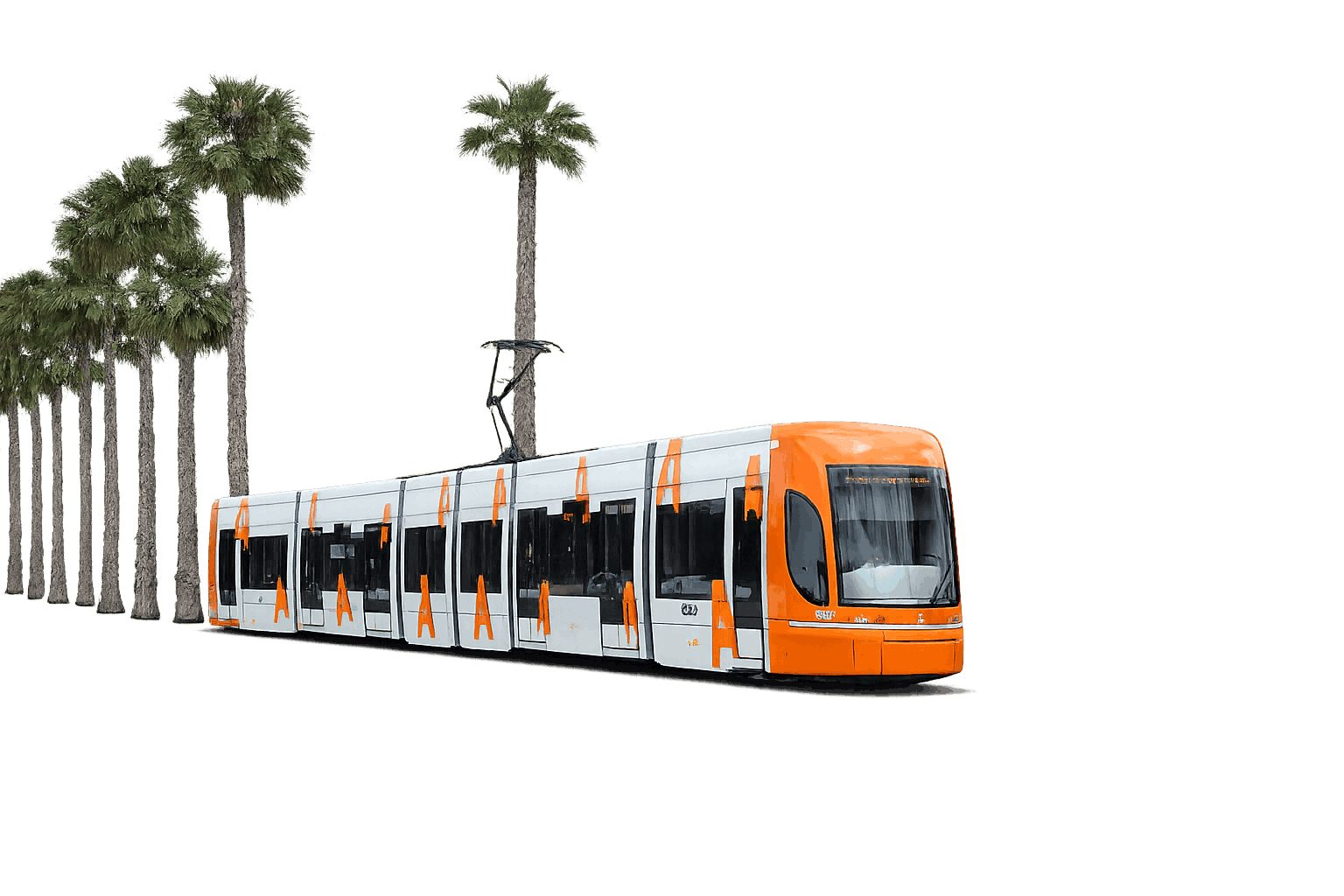
Once you've settled in, the journey of discovery begins.
Although a car in Spain remains the "gold standard" for those who want maximum freedom, the infrastructure offers varying degrees of independence depending on the region.
It's all about balance: do you opt for the dynamism of having everything within walking distance, or for the tranquility of seeking out the liveliness when you want it?
Once you've settled in, the journey of discovery begins.
Although a car in Spain remains the "gold standard" for those who want maximum freedom, the infrastructure offers varying degrees of independence depending on the region.
It's all about balance: do you opt for the dynamism of having everything within walking distance, or for the tranquility of seeking out the liveliness when you want it?
Once you've settled in, the journey of discovery begins.
Although a car in Spain remains the "gold standard" for those who want maximum freedom, the infrastructure offers varying degrees of independence depending on the region.
It's all about balance: do you opt for the dynamism of having everything within walking distance, or for the tranquility of seeking out the liveliness when you want it?
Railway (Train and tram)
Railway (Train and tram)
Railway (Train and tram)
AMI: 123456789
Arrival in Spain:
How do you get around in your new region?
Arrival in Spain:
How do you get around in your new region?
Carefree travel from city to beach. In regions such as Valencia, the Costa Blanca North, and the Costa del Sol (Málaga), coastal towns are seamlessly connected. It's the perfect way to hop between villages without the stress of parking. A huge advantage for vacationers, although as a resident you eventually notice the limitations: you are tied to the train, and in high season you share that luxury with many other travelers.
Viajes sin preocupaciones de la ciudad a la playa. En regiones como Valencia, la Costa Blanca Norte y la Costa del Sol (Málaga), las localidades costeras están perfectamente conectadas. Es la forma perfecta de ir de un pueblo a otro sin el estrés de tener que buscar aparcamiento. Una gran ventaja para los turistas, aunque, como residente, con el tiempo acabas notando las limitaciones: estás atado al tren y, en temporada alta, compartes ese «lujo» con muchos otros viajeros.
Carefree travel from city to beach. In regions such as Valencia, the Costa Blanca North, and the Costa del Sol (Málaga), coastal towns are seamlessly connected. It's the perfect way to hop between villages without the stress of parking. A huge advantage for vacationers, although as a resident you eventually notice the limitations: you are tied to the train, and in high season you share that luxury with many other travelers.
Viajes sin preocupaciones de la ciudad a la playa. En regiones como Valencia, la Costa Blanca Norte y la Costa del Sol (Málaga), las localidades costeras están perfectamente conectadas. Es la forma perfecta de ir de un pueblo a otro sin el estrés de tener que buscar aparcamiento. Una gran ventaja para los turistas, aunque, como residente, con el tiempo acabas notando las limitaciones: estás atado al tren y, en temporada alta, compartes ese «lujo» con muchos otros viajeros.
Bus (express buses)
Bus (express buses)
Bus (express buses)
Fast and well-connected. The bus network is the unsung hero of the coast. Major carriers (such as ALSA) connect airports directly to the main coastal towns. In the busiest regions, buses run every few minutes, while in quieter areas, such as here in the Mar Menor, you have to be a little more patient or change buses in the city (Murcia). Ideal as an economical option for your guests or for a day of shopping without having to drive.
Fast and well-connected. The bus network is the unsung hero of the coast. Major carriers (such as ALSA) connect airports directly to the main coastal towns. In the busiest regions, buses run every few minutes, while in quieter areas, such as here in the Mar Menor, you have to be a little more patient or change buses in the city (Murcia). Ideal as an economical option for your guests or for a day of shopping without having to drive.
Fast and well-connected. The bus network is the unsung hero of the coast. Major carriers (such as ALSA) connect airports directly to the main coastal towns. In the busiest regions, buses run every few minutes, while in quieter areas, such as here in the Mar Menor, you have to be a little more patient or change buses in the city (Murcia). Ideal as an economical option for your guests or for a day of shopping without having to drive.
Private (taxi and car)
Private (taxi and car)
Private (taxi and car)
Private (taxi and car)
Freedom on wheels. This is where the real adventure begins. A car is your ticket to places where the train stops and the bus doesn’t go. Our tip: Parking is a challenge in popular city centers, but if you opt for the space of the Costa Cálida or the authentic inland, you can often park right outside your door without any worries. The car remains the undisputed trump card for those who want to experience Spain like a local, not as a passenger.
Landing, feeling the sun on your face and breathing in that delicious Spanish air!
But how will you get around your new surroundings? The roads here are fantastic, but your mode of transport is key to your lifestyle. Of course, good connections are a luxury for your daily routine or for your guests, but do you want to return home after every vacation with new stories? Then a car is your best bet. While public transportation faithfully follows the road, a car takes you to that forgotten mountain village or secret bay. Discover, experience, and leave whenever you want.
Costa Blanca North
Railways along the coastline
In the north, the coastline dictates how you get around.
The white L9 tram is a local institution here; a relaxed way to travel between towns like Dénia, Altea, and Calpe for just a few euros, without the hassle of parking.
Looking for a faster option from Alicante Airport? Then ALSA’s direct buses are often a smarter alternative.
They run very frequently (usually every hour) to Benidorm and Calpe, getting you to your destination faster than the tram.
Once you arrive at your home, you’ll notice that local buses mainly connect the beach with the higher-elevation village centers.
For the quiet residential neighborhoods in the hills, however, having your own car remains the most practical choice for your daily routine.
Costa Blanca North
Railways along the coastline
In the north, the coastline dictates how you get around. The white L9 tram is a local institution here; a relaxed way to travel between towns like Dénia, Altea, and Calpe for just a few euros, without the hassle of parking. Looking for a faster option from Alicante Airport? Then ALSA’s direct buses are often a smarter alternative. They run very frequently (usually every hour) to Benidorm and Calpe, getting you to your destination faster than the tram.
Once you arrive at your home, you’ll notice that local buses mainly connect the beach with the higher-elevation village centers. For the quiet residential neighborhoods in the hills, however, having your own car remains the most practical choice for your daily routine.
Costa Blanca South
Convenient connections via Torrevieja
The Costa Blanca South is a paradise for those who don’t always want to drive themselves.
From Alicante Airport, you can catch the direct shuttle bus to Torrevieja every hour.
This ride takes about 50 minutes and costs around €7 (anno 2026).
Torrevieja serves as the central hub of the region; from the bus station, you can transfer almost immediately to the Costa Azul buses.
These buses take you further south to destinations like Orihuela Costa, Mil Palmeras, and Pilar de la Horadada.
Since this region is fairly flat, you’ll notice that many residents opt for electric bikes or scooters for short distances. It’s an area where distances feel short, and the bus network takes you everywhere, provided you factor in a brief transfer in Torrevieja.
Costa Blanca South
Convenient connections via Torrevieja
The Costa Blanca South is a paradise for those who don’t always want to drive themselves. From Alicante Airport, you can catch the direct shuttle bus to Torrevieja every hour. This ride takes about 50 minutes and costs around €7 (anno 2026). Torrevieja serves as the central hub of the region; from the bus station, you can transfer almost immediately to the Costa Azul buses.
These buses take you further south to destinations like Orihuela Costa, Mil Palmeras, and Pilar de la Horadada. Since this region is fairly flat, you’ll notice that many residents opt for electric bikes or scooters for short distances. It’s an area where distances feel short, and the bus network takes you everywhere—provided you factor in a brief transfer in Torrevieja.
Costa Cálida
Traveling at a leisurely pace around the Mar Menor
On the Costa Cálida, everything moves at a slightly slower pace, including public transportation.
Several direct buses run daily from Alicante Airport to coastal towns such as San Pedro del Pinatar and Los Alcázares. Another route frequently used by locals is the bus via the city of Murcia. From the city, buses depart several times a day, serving all the villages around the Mar Menor.
The connections between the coastal villages are great for a day trip, but the frequency is somewhat lower than in the busier regions.
It’s an area where a car gives you the ultimate freedom to discover those hidden coves, but where public transportation serves as a reliable backup for those who take the time to explore the region.
Costa Cálida
Traveling at a leisurely pace around the Mar Menor
On the Costa Cálida, everything moves at a slightly slower pace, including public transportation. Several direct buses run daily from Alicante Airport to coastal towns such as San Pedro del Pinatar and Los Alcázares. Another route frequently used by locals is the bus via the city of Murcia. From the city, buses depart several times a day, serving all the villages around the Mar Menor.
The connections between the coastal villages are great for a day trip, but the frequency is somewhat lower than in the busier regions. It’s an area where a car gives you the ultimate freedom to discover those hidden coves, but where public transportation serves as a reliable backup for those who take the time to explore the region.
Costa del Sol
Quick by Train
The Costa del Sol’s biggest asset is the C1 train line. Trains depart from Málaga Airport every twenty minutes, taking you quickly to Torremolinos, Benalmádena, and Fuengirola. It’s affordable, efficient, and drops you right near the beach or downtown.
If you’re heading further west, toward Marbella or Estepona, the train stops, and you’ll need to rely on (intercity) buses, primarily from Avanza. Expect a travel time of about 45 minutes to 1 hour and 15 minutes to Marbella from the airport. Connections are frequent, but during peak season, travel times can increase due to heavy traffic on the A-7. You can easily travel to Fuengirola without a car; beyond that, a car becomes much more practical. There are plans to extend the train line to Marbella and Estepona in the future, but for now, that remains a long-term project.
Costa del Sol
Quick by Train
The Costa del Sol’s biggest asset is the C1 train line. Trains depart from Málaga Airport every twenty minutes, taking you quickly to Torremolinos, Benalmádena, and Fuengirola. It’s affordable, efficient, and drops you right near the beach or downtown.
If you’re heading further west, toward Marbella or Estepona, the train stops, and you’ll need to rely on (intercity) buses, primarily from Avanza. Expect a travel time of about 45 minutes to 1 hour and 15 minutes to Marbella from the airport. Connections are frequent, but during peak season, travel times can increase due to heavy traffic on the A-7. You can easily travel to Fuengirola without a car; beyond that, a car becomes much more practical. There are plans to extend the train line to Marbella and Estepona in the future, but for now, that remains a long-term project.
Costa de Valencia
Urban luxury and the local paper
Valencia offers perhaps the most comfortable travel experience in all of Spain.
Right below the airport, you can hop on the metro, which takes you to the city center in twenty minutes.
For those who want to live a bit further outside the city, in towns like Cullera or Gandia, there’s the Cercanías train (C1).
It departs every half hour and takes you right to the town center for just a few euros.
In the city itself, you definitely don’t need a car thanks to the extensive network of trams and buses.
In the surrounding coastal towns, the train acts as your personal chauffeur to the city. It’s the perfect region for those who love the city’s energy but are looking for the tranquility of a coastal village.
Costa de Valencia
Urban luxury and the local paper
Valencia offers perhaps the most comfortable travel experience in all of Spain. Right below the airport, you can hop on the metro, which takes you to the city center in twenty minutes. For those who want to live a bit further outside the city, in towns like Cullera or Gandia, there’s the Cercanías train (C1). It departs every half hour and takes you right to the town center for just a few euros. In the city itself, you definitely don’t need a car thanks to the extensive network of trams and buses. In the surrounding coastal towns, the train acts as your personal chauffeur to the city. It’s the perfect region for those who love the city’s energy but are looking for the tranquility of a coastal village.
Costa Brava
The Gateway to Spain
For buyers, the Costa Brava is often a top choice because the region is slightly easier to reach comfortably by car from Belgium or the Netherlands. Are you flying in? Then you’ll usually land at Girona Airport. From there, frequent buses (Sagalés) depart, taking you directly to popular beach towns like Lloret de Mar or Blanes for about €10.
Blanes is also a strategic location; it is the only coastal town in the region with a direct train station to the heart of Barcelona. For the northern gems like Empuriabrava or the picturesque Cadaqués, however, you’re better off taking the bus from Girona or driving your own car. The roads are beautiful, but during the summer months, you should allow a little extra time for your travels on the winding coastal roads.
Costa Brava
The Gateway to Spain
For buyers, the Costa Brava is often a top choice because the region is slightly easier to reach comfortably by car from Belgium or the Netherlands. Are you flying in? Then you’ll usually land at Girona Airport. From there, frequent buses (Sagalés) depart, taking you directly to popular beach towns like Lloret de Mar or Blanes for about €10.
Blanes is also a strategic location; it is the only coastal town in the region with a direct train station to the heart of Barcelona. For the northern gems like Empuriabrava or the picturesque Cadaqués, however, you’re better off taking the bus from Girona or driving your own car. The roads are beautiful, but during the summer months, you should allow a little extra time for your travels on the winding coastal roads.
Costa Dorada
Golden beaches and high-speed rail
The Costa Dorada, with Tarragona and Reus as its central hubs, has excellent public transportation.
Plana’s white-and-blue buses are a familiar sight here; they run very frequently between the airports in Reus and Barcelona and Salou, Cambrils, and La Pineda. You’ll reach your destination in no time at a great price.
The region also has a major advantage for those who love speed: the Camp de Tarragona high-speed rail station (AVE). This lets you zip to Barcelona or Madrid in no time for a day trip. Be sure to check your route carefully; due to rail renovations, stations in beach towns like Salou are currently located slightly further inland.
However, a short walk or a local bus will quickly take you to the coastline.
Costa Dorada
Golden beaches and high-speed rail
The Costa Dorada, with Tarragona and Reus as its central hubs, has excellent public transportation. Plana’s white-and-blue buses are a familiar sight here; they run very frequently between the airports in Reus and Barcelona and Salou, Cambrils, and La Pineda. You’ll reach your destination in no time at a great price. The region also has a major advantage for those who love speed: the Camp de Tarragona high-speed rail station (AVE). This lets you zip to Barcelona or Madrid in no time for a day trip. Be sure to check your route carefully; due to rail renovations, stations in beach towns like Salou are currently located slightly further inland. However, a short walk or a local bus will quickly take you to the coastline.
The Islands
Your own, accessible haven
In the Balearic and Canary Islands, it’s all about the connection between the airport and your specific accommodation. On islands like Mallorca, Ibiza, and Menorca, the bus network is well-developed. On Mallorca, the modern TIB network operates red-and-yellow buses across the entire island, where you can easily check in and out using your bank card.
Public transportation is also well-organized in the Canary Islands. On Tenerife and Gran Canaria, extensive bus networks (guaguas) connect the airports with the main beach resorts and cities. Service is often frequent, especially along the coast.
The islands are ideal for those who prefer to leave their car behind. In many beach towns, everything is within walking distance, and there are plenty of buses running between the main areas. Want to explore secluded coves or travel flexibly from place to place without detours? Then renting a car or scooter for a day or two is a handy option.
The Islands
Your own, accessible haven
In the Balearic and Canary Islands, it’s all about the connection between the airport and your specific accommodation. On islands like Mallorca, Ibiza, and Menorca, the bus network is well-developed. On Mallorca, the modern TIB network operates red-and-yellow buses across the entire island, where you can easily check in and out using your bank card.
Public transportation is also well-organized in the Canary Islands. On Tenerife and Gran Canaria, extensive bus networks (guaguas) connect the airports with the main beach resorts and cities. Service is often frequent, especially along the coast.
The islands are ideal for those who prefer to leave their car behind. In many beach towns, everything is within walking distance, and there are plenty of buses running between the main areas. Want to explore secluded coves or travel flexibly from place to place without detours? Then renting a car or scooter for a day or two is a handy option.
The reality on the road:
Which region suits your pace?
The reality of the road:
Which region suits your pace?
The reality on the road:
Which region suits your pace?
The reality on the road:
Which region suits your pace?
The reality of the road:
Which region suits your pace?
The reality on the road:
Which region suits your pace?
From the high-speed train connections in the north to the quiet roads around the Mar Menor.
Mobility
From barrier-free to panoramic.
Mobility
From barrier-free to panoramic.
Mobility
From barrier-free
to panoramic.
Mobility
From barrier-free to panoramic.
Mobility
From barrier-free to panoramic.
Mobility
From barrier-free to panoramic.
Mobility
From barrier-free
to panoramic.
Mobility
From barrier-free to panoramic.
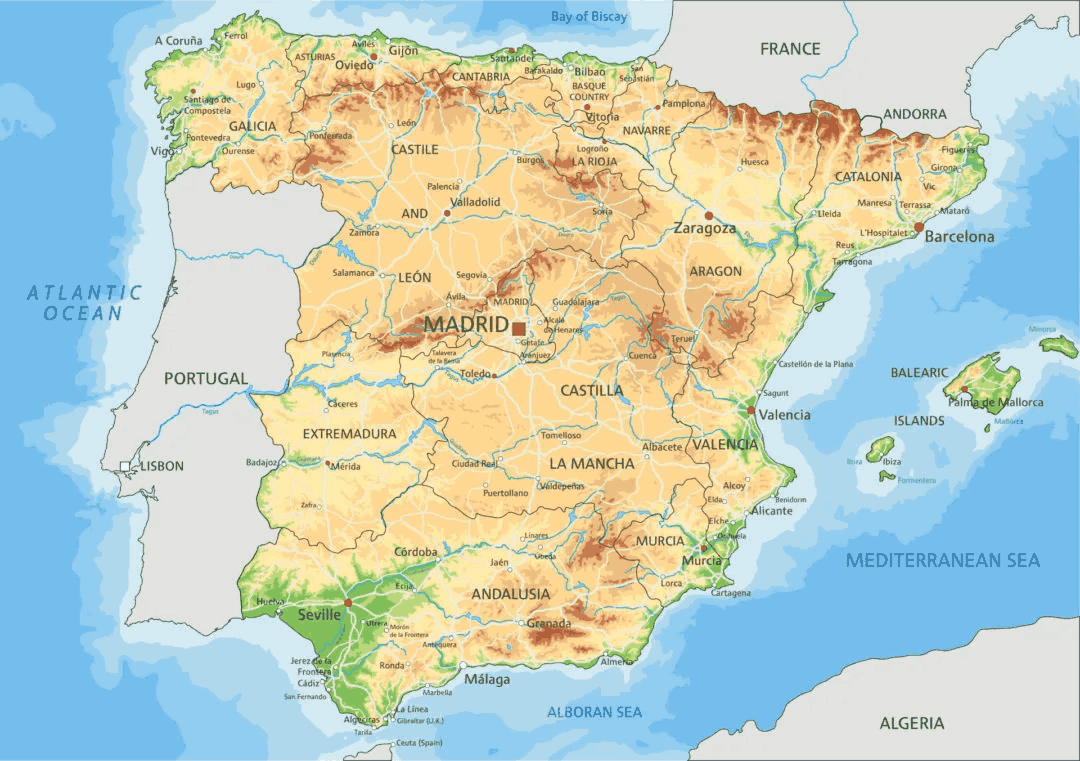
The Spanish landscape sets the pace for your day. On the map, you can see where the mountains meet the coast and where the plains stretch out. This terrain is more than just a pretty picture; it determines whether you can stroll to the bakery, the beach or the local pub with a spring in your step, or whether you have to fetch the car from the garage every 800 metres. In the sections below, we assess each region for its ‘liveability’ for the walker, the pushchair, the e-bike and the sports bike.
This terrain is more than just a pretty picture; it determines whether you can stroll to the bakery, the beach or the local pub with a spring in your step, or whether you have to fetch the car from the garage every 800 metres. In the sections below, we assess each region for its ‘liveability’ for the walker, the pushchair, the e-bike and the sports bike.
The Spanish landscape sets the pace for your day. On the map, you can see where the mountains meet the coast and where the plains stretch out.
This terrain is more than just a pretty picture; it determines whether you can stroll to the bakery, the beach or the local pub with a spring in your step, or whether you have to fetch the car from the garage every 800 metres. In the sections below, we assess each region for its ‘liveability’ for the walker, the pushchair, the e-bike and the sports bike.
How we scan the Spanish soil
From barrier-free to panoramic
From barrier-free to panoramic
From barrier-free to panoramic: our benchmark for your quality of life.
Buying a home in Spain is about much more than just four walls. It’s the stroll to the bakery, the walk to the beach and the freedom to go wherever you like. As mobility means something different to everyone, we’ve divided the coastlines into three lifestyle categories.

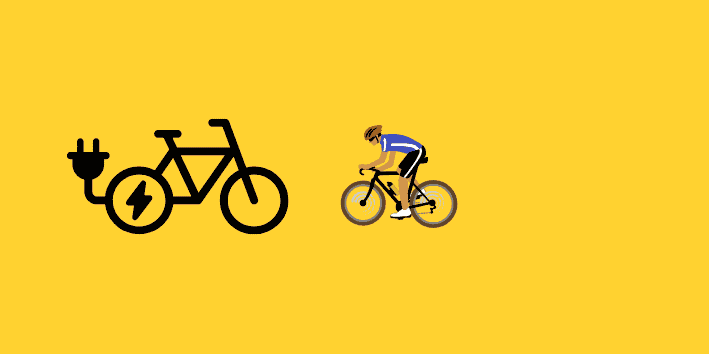
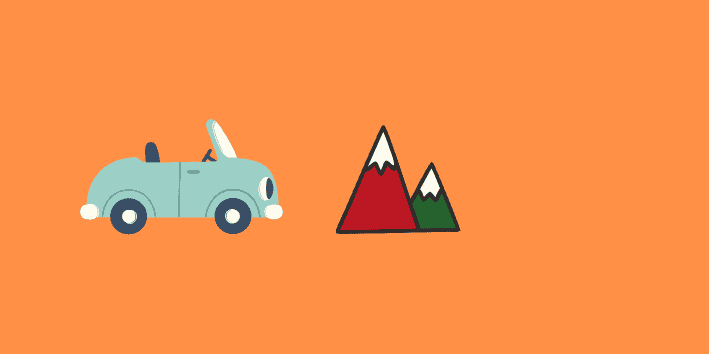
The flat oasis
Where the rollator, pushchair and walking boots reign supreme.
The active mix
Donde una bicicleta eléctrica o un breve trayecto en coche amplían tus horizontes.
The exception
Where you choose the view, but your car is your lifeline.
Please note:
Our scores are regional averages. Spain never ceases to surprise; even in the flattest regions you’ll find challenging climbs, and in the mountains you’ll discover hidden gems. We’ll help you find the exact route that suits your pace.
Character:
Accessible and suitable for walking
Character:
accessible
and walkable
Character: accessible and suitable for walking
Character:
Accessible and suitable for walking
Character:
accessible
and walkable
Character: accessible and suitable for walking
Costa Blanca South.
Score 9 / 10
The accessible champion
Accessibility profile: Exceptionally flat and barrier-free.
____________________
The flat oases
In these zones, cars are optional and walkers
or buggies reign supreme.
Torrevieja & Guardamar: The miles-long promenades here are the widest in the whole of Spain. All crossings are at ground level and access to the beach is fully accessible.
Orihuela Costa (La Zenia / Playa Flamenca): A modern paradise for those with limited mobility. The shopping centres and surrounding neighbourhoods are designed to be barrier-free with no unexpected steps.
Santa Pola (Centre): Around the harbour and the salt lakes, the terrain is as flat as a pancake, making for carefree evening strolls.
The active mix
Areas where you are highly mobile, but where distances or gentle slopes make the use of an aid necessary.
Pilar de la Horadada: The route between the village and the sea is perfectly flat with wide cycle paths. Given the sprawling nature of the neighbourhoods, an (e-)bike or car is handy here for daily shopping.
La Marina (Estates): The neighbourhoods themselves are largely flat and easy to navigate, but the natural row of dunes creates a physical distance between your home and the actual coastline.
The exception
Even in the flattest region of Spain, there are 'calf-biter' hills.
Gran Alacant: The region’s big ‘catch’. Although the properties at the top of the headland are often situated on a flat plateau, the path down to the beach or the shops below is extremely steep. Without a car, you’re confined to your own immediate street.
Costa
Blanca South.
Score 9 / 10 | The accessible champion
Accessibility profile: Exceptionally flat and barrier-free.
____________________
The flat oases
In these zones, cars are optional and walkers
or buggies reign supreme.
Torrevieja & Guardamar: The miles-long promenades
here are the widest in the whole of Spain.
All crossings are at ground level and access to the beach is fully accessible.
Orihuela Costa (La Zenia / Playa Flamenca): A modern
paradise for those with limited mobility. The shopping
centres and surrounding neighbourhoods are designed to be barrier-free with no unexpected steps.
Santa Pola (Centre): Around the harbour and the salt lakes, the terrain is as flat as a pancake,
making for carefree evening strolls.
The active mix
Areas where you are highly mobile, but where distances or gentle slopes make the use of an aid necessary.
Pilar de la Horadada: The route between the village and the sea is perfectly flat with
wide cycle paths. Given the sprawling nature of the neighbourhoods, an (e-)bike or car is handy
here for daily shopping.
La Marina (Estates): The neighbourhoods themselves are largely flat and easy to navigate, but the natural row of dunes creates a physical distance between your home and the actual coastline.
The exception
Even in the flattest region of Spain, there are 'calf-biter' hills.
Gran Alacant: The region’s big ‘catch’. Although the properties at the top of the headland are often situated on a flat plateau, the path down to the beach or the shops below is extremely steep. Without a car, you’re confined to your own immediate street.
Costa Blanca South.
Score 9 / 10 | The accessible champion
Accessibility profile: Exceptionally flat and barrier-free.
____________________
The flat oases
In these zones, cars are optional and walkers
or buggies reign supreme.
Torrevieja & Guardamar: The miles-long promenades here are the widest in the whole of Spain. All crossings are at ground level and access to the beach is fully accessible.
Orihuela Costa (La Zenia / Playa Flamenca): A modern paradise for those with limited mobility. The shopping centres and surrounding neighbourhoods are designed to be barrier-free with no unexpected steps.
Santa Pola (Centre): Around the harbour and the salt lakes, the terrain is as flat as a pancake, making for carefree evening strolls.
The active mix
Areas where you are highly mobile, but where distances or gentle slopes make the use of an aid necessary.
Pilar de la Horadada: The route between the village and the sea is perfectly flat with wide cycle paths. Given the sprawling nature of the neighbourhoods, an (e-)bike or car is handy here for daily shopping.
La Marina (Estates): The neighbourhoods themselves are largely flat and easy to navigate, but the natural row of dunes creates a physical distance between your home and the actual coastline.
The exception
Even in the flattest region of Spain, there are 'calf-biter' hills.
Gran Alacant: The region’s big ‘catch’. Although the properties at the top of the headland are often situated on a flat plateau, the path down to the beach or the shops below is extremely steep. Without a car, you’re confined to your own immediate street.
Costa Blanca South.
Score 9 / 10 | The accessible champion
Accessibility profile: Exceptionally flat and barrier-free.
____________________
The flat oases
In these zones, cars are optional and walkers or buggies reign supreme.
Torrevieja & Guardamar: The miles-long promenades here are the widest
in the whole of Spain. All crossings are at ground level and access to the
beach is fully accessible.
Orihuela Costa (La Zenia / Playa Flamenca): A modern paradise for those
with limited mobility. The shopping centres and surrounding neighbourhoods
are designed to be barrier-free with no unexpected steps.
Santa Pola (Centre): Around the harbour and the salt lakes, the terrain is as
flat as a pancake, making for carefree evening strolls.
The active mix
Areas where you are highly mobile, but where distances or gentle slopes
make the use of an aid necessary.
Pilar de la Horadada: The route between the village and the sea is perfectly
flat with wide cycle paths. Given the sprawling nature of the neighbourhoods,
an (e-)bike or car is handy here for daily shopping.
La Marina (Estates): The neighbourhoods themselves are largely flat and
easy to navigate, but the natural row of dunes creates a physical distance
between your home and the actual coastline.
The exception
Even in the flattest region of Spain, there are 'calf-biter' hills.
Gran Alacant: The region’s big ‘catch’. Although the properties at the top
of the headland are often situated on a flat plateau, the path down to the
beach or the shops below is extremely steep. Without a car, you’re confined
to your own immediate street.
Costa Blanca South.
Score 9 / 10 | The accessible champion
Accessibility profile: Exceptionally flat and barrier-free.
____________________
The flat oases
In these zones, cars are optional and walkers or buggies reign supreme.
Torrevieja & Guardamar: The miles-long promenades here are the widest
in the whole of Spain. All crossings are at ground level and access to the
beach is fully accessible.
Orihuela Costa (La Zenia / Playa Flamenca): A modern paradise for those
with limited mobility. The shopping centres and surrounding neighbourhoods
are designed to be barrier-free with no unexpected steps.
Santa Pola (Centre): Around the harbour and the salt lakes, the terrain is as
flat as a pancake, making for carefree evening strolls.
The active mix
Areas where you are highly mobile, but where distances or gentle slopes
make the use of an aid necessary.
Pilar de la Horadada: The route between the village and the sea is perfectly flat
with wide cycle paths. Given the sprawling nature of the neighbourhoods, an (e-)bike or
car is handy here for daily shopping.
La Marina (Estates): The neighbourhoods themselves are largely flat and easy to navigate,
but the natural row of dunes creates a physical distance between your home and the
actual coastline.
The exception
Even in the flattest region of Spain, there are 'calf-biter' hills.
Gran Alacant: The region’s big ‘catch’. Although the properties at the top
of the headland are often situated on a flat plateau, the path down to the beach or the shops
below is extremely steep. Without a car, you’re confined to your own immediate street.
Costa Cálida.
8/10 | The flat Mar Menor & authentic coves
Mobility profile: Highly accessible with natural touches.
____________________
Why an 8? Whereas the Southern Costa Blanca (9/10) is a single, continuous ribbon of concrete andcboulevards, the Costa Cálida retains its natural character. This means stunning views and tranquil coves, but also that the barrier-free
routes are sometimes interrupted by a rocky outcrop or an unpaved path.
The flat oases
Around the Mar Menor, you’ll find unparalleled freedom to walk.
Los Alcázares: The undisputed champion. A 7km-long, completely flat and barrier-free promenade where you can walk from the marina to the next neighbourhood without any obstacles.
Lo Pagán & Santiago de la Ribera: Very accessible and spacious. The famous mud baths are accessible via paved, flat footpaths that are also easily navigable by wheelchair.
The active mix
Areas where nature provides a welcome change of scenery.
Puerto de Mazarrón: The main promenade is a walker’s paradise. However, as soon as you head towards the unique rock formations of Bolnuevo or explore the neighbourhoods on the hillsides, you’ll need
an e-bike or a car.
Águilas: A beautiful mix of flat urban areas and bays separated by natural rocky outcrops. You can walk anywhere, but the route isn’t always the shortest way.
The exception
Authenticity sometimes requires a powerful driving force.
Cartagena (City Centre): "City of five hills" certainly lives up to its name. It’s lovely for a day trip, but if you’re planning to live there, you’ll need to be prepared for constant uphill and downhill walks.
La Manga Club: Not to be confused with the La Manga strip. This resort is nestled against the hills; the views are five-star, but walking to the supermarket here is a bit of a workout.
Costa Cálida.
8/10 | The flat Mar Menor & authentic coves
Mobility profile: Highly accessible with natural touches.
____________________
Why an 8? Whereas the Southern Costa Blanca (9/10) is a single, continuous
ribbon of concrete andcboulevards, the Costa Cálida retains its natural character.
This means stunning views and tranquil coves, but also that the barrier-free
routes are sometimes interrupted by a rocky outcrop or an unpaved path.
The flat oases
Around the Mar Menor, you’ll find unparalleled freedom to walk.
Los Alcázares: The undisputed champion. A 7km-long, completely flat and
barrier-free promenade where you can walk from the marina to the next
neighbourhood without any obstacles.
Lo Pagán & Santiago de la Ribera: Very accessible and spacious. The
famous mud baths are accessible via paved, flat footpaths that are also
easily navigable by wheelchair.
The active mix
Areas where nature provides a welcome change of scenery.
Puerto de Mazarrón: The main promenade is a walker’s paradise.
However, as soon as you head towards the unique rock formations of
Bolnuevo or explore the neighbourhoods on the hillsides, you’ll need
an e-bike or a car.
Águilas: A beautiful mix of flat urban areas and bays separated by
natural rocky outcrops. You can walk anywhere, but the route isn’t
always the shortest way.
The exception
Authenticity sometimes requires a powerful driving force.
Cartagena (City Centre): "City of five hills" certainly lives up to its name.
It’s lovely for a day trip, but if you’re planning to live there, you’ll need
to be prepared for constant uphill and downhill walks.
La Manga Club: Not to be confused with the La Manga strip. This resort
is nestled against the hills; the views are five-star, but walking to the
supermarket here is a bit of a workout.
Costa Cálida.
8/10 | The flat Mar Menor & authentic coves
Mobility profile: Highly accessible with natural touches.
____________________
Why an 8? Whereas the Southern Costa Blanca (9/10)
is a single, continuous ribbon of concrete
andcboulevards, the Costa Cálida retains its natural
character. This means stunning views and tranquil coves,
but also that the barrier-free routes are sometimes
interrupted by a rocky outcrop or an unpaved path.
The flat oases
Around the Mar Menor, you’ll find unparalleled freedom to walk.
Los Alcázares: The undisputed champion. A 7km-long, completely flat and barrier-free promenade where you can walk from the marina to the next neighbourhood without any obstacles.
Lo Pagán & Santiago de la Ribera: Very accessible and spacious. The famous mud baths are accessible via paved, flat footpaths that are also easily navigable by wheelchair.
The active mix
Areas where nature provides a welcome change of scenery.
Puerto de Mazarrón: The main promenade is a walker’s paradise. However, as soon as you head towards the unique rock formations of Bolnuevo or explore the neighbourhoods on the hillsides, you’ll need an e-bike or a car.
Águilas: A beautiful mix of flat urban areas and bays separated by natural rocky outcrops. You can walk anywhere, but the route isn’t always the shortest way.
The exception
Authenticity sometimes requires a powerful driving force.
Cartagena (City Centre): "City of five hills" certainly lives up to its name. It’s lovely for a day trip, but if you’re planning to live there, you’ll need to be prepared for constant uphill and downhill walks.
La Manga Club: Not to be confused with the La Manga strip. This resort is nestled against the hills; the views are five-star, but walking to the supermarket here is a bit of a workout.
Costa Cálida.
8/10 | The flat Mar Menor & authentic coves
Mobility profile: Highly accessible with natural touches.
____________________
Why an 8? Whereas the Southern Costa Blanca (9/10) is a single, continuous
ribbon of concrete andcboulevards, the Costa Cálida retains its natural character.
This means stunning views and tranquil coves, but also that the barrier-free
routes are sometimes interrupted by a rocky outcrop or an unpaved path.
The flat oases
Around the Mar Menor, you’ll find unparalleled freedom to walk.
Los Alcázares: The undisputed champion. A 7km-long, completely flat and
barrier-free promenade where you can walk from the marina to the next
neighbourhood without any obstacles.
Lo Pagán & Santiago de la Ribera: Very accessible and spacious. The
famous mud baths are accessible via paved, flat footpaths that are also
easily navigable by wheelchair.
The active mix
Areas where nature provides a welcome change of scenery.
Puerto de Mazarrón: The main promenade is a walker’s paradise.
However, as soon as you head towards the unique rock formations of
Bolnuevo or explore the neighbourhoods on the hillsides, you’ll need
an e-bike or a car.
Águilas: A beautiful mix of flat urban areas and bays separated by
natural rocky outcrops. You can walk anywhere, but the route isn’t
always the shortest way.
The exception
Authenticity sometimes requires a powerful driving force.
Cartagena (City Centre): "City of five hills" certainly lives up to its name.
It’s lovely for a day trip, but if you’re planning to live there, you’ll need
to be prepared for constant uphill and downhill walks.
La Manga Club: Not to be confused with the La Manga strip. This resort
is nestled against the hills; the views are five-star, but walking to the
supermarket here is a bit of a workout.
Costa Cálida.
8/10 | The flat Mar Menor & authentic coves
Mobility profile: Highly accessible with natural touches.
____________________
Why an 8? Whereas the Southern Costa Blanca (9/10) is a single, continuous ribbon of
concrete and boulevards, the Costa Cálida retains its natural character. This means
stunning views and tranquil coves, but also that the barrier-free routes are sometimes
interrupted by a rocky outcrop or an unpaved path.
The flat oases
Around the Mar Menor, you’ll find unparalleled freedom to walk.
Los Alcázares: The undisputed champion. A 7km-long, completely flat and barrier-free
promenade where you can walk from the marina to the next neighbourhood without any
obstacles.
Lo Pagán & Santiago de la Ribera: Very accessible and spacious. The famous
mud baths are accessible via paved, flat footpaths that are also easily navigable
by wheelchair.
The active mix
Areas where nature provides a welcome change of scenery.
Puerto de Mazarrón: The main promenade is a walker’s paradise. However, as soon
as you head towards the unique rock formations of Bolnuevo or explore the
neighbourhoods on the hillsides, you’ll need an e-bike or a car.
Águilas: A beautiful mix of flat urban areas and bays separated by
natural rocky outcrops. You can walk anywhere, but the route isn’t always the
shortest way.
The exception
Authenticity sometimes requires a powerful driving force.
Cartagena (City Centre): The "city of five hills" certainly lives up to its name.
It’s lovely for a day trip, but if you’re planning to live there, you’ll need to be prepared
for constant uphill and downhill walks.
La Manga Club: Not to be confused with the La Manga strip. This resort is nestled
against the hills; the views are five-star, but walking to the supermarket here is a
bit of a workout.
Regio Valencia.
7/10 | Modern coastal plains & urban charm
Mobility profile: Broad-based with a flat horizon.
____________________
Why a 7? The Valencia region scores highly thanks to its extensive, modern infrastructure. However,
compared to the Costa Cálida (8/10), it loses a point due to the region’s vast size;
the distances between the various facilities are greater, and as soon as you
leave the coastal plain and head inland, you are confronted with an rugged
mountainous landscape that is less forgiving.
The flat oases
The city of Valencia and its immediate suburbs are a prime example of
modern accessibility.
Valencia City (Poblats Maritims): The neighbourhood around the harbour and Malvarrosa Beach is
completely flat. Wide pavements, world-class cycle paths and an excellent tram network
make a car unnecessary here.
Gandía (Playa): One of the widest sandy beaches in the region, with a promenade that
has been specifically designed for long, unhindered walks.
The active mix
Places where open spaces reign supreme and your bike is your best friend.
Cullera: The coastal strip is flat and lovely for walking, but the town is
dominated by a central hill. Anyone living in the neighbourhoods on the hillside
has quite a climb ahead of them.
Oliva Nova: A beautiful, modern residential development. Although the terrain is flat,
shops and amenities are often just too far apart to get around comfortably on foot.
The exception
The mountains that embrace the city.
Sagunto (Castle/Hill): Whilst the port (Puerto de Sagunto) is flat, the
historic town is a maze of steps and steep alleyways.
Housing developments in the hinterland (e.g. Torrent/Naquera): Beautiful villas with
views of the town, but situated on the slopes of the Sierra Calderona. Here,
a car is absolutely essential.
Regio
Valencia.
7/10 | Modern coastal plains & urban charm
Mobility profile: Broad-based with a flat horizon.
____________________
Why a 7? The Valencia region scores highly thanks to its extensive, modern infrastructure. However,
compared to the Costa Cálida (8/10), it loses a point due to the region’s vast size;
the distances between the various facilities are greater, and as soon as you
leave the coastal plain and head inland, you are confronted with an rugged
mountainous landscape that is less forgiving.
The flat oases
The city of Valencia and its immediate suburbs are a prime example of
modern accessibility.
Valencia City (Poblats Maritims): The neighbourhood around the harbour and Malvarrosa Beach is
completely flat. Wide pavements, world-class cycle paths and an excellent tram network
make a car unnecessary here.
Gandía (Playa): One of the widest sandy beaches in the region, with a promenade that
has been specifically designed for long, unhindered walks.
The active mix
Places where open spaces reign supreme and your bike is your best friend.
Cullera: The coastal strip is flat and lovely for walking, but the town is
dominated by a central hill. Anyone living in the neighbourhoods on the hillside
has quite a climb ahead of them.
Oliva Nova: A beautiful, modern residential development. Although the terrain is flat,
shops and amenities are often just too far apart to get around comfortably on foot.
The exception
The mountains that embrace the city.
Sagunto (Castle/Hill): Whilst the port (Puerto de Sagunto) is flat, the
historic town is a maze of steps and steep alleyways.
Housing developments in the hinterland (e.g. Torrent/Naquera): Beautiful villas with
views of the town, but situated on the slopes of the Sierra Calderona. Here,
a car is absolutely essential.
Regio Valencia.
7/10 | Modern coastal plains & urban charm
Mobility profile: Broad-based with a flat horizon.
____________________
Why a 7? The Valencia region scores highly thanks
to its extensive, modern infrastructure. However,
compared to the Costa Cálida (8/10), it loses a point
due to the region’s vast size; the distances between
the various facilities are greater, and as soon as you
leave the coastal plain and head inland, you are
confronted with an rugged mountainous landscape
that is less forgiving.
The flat oases
The city of Valencia and its immediate suburbs are a prime example of modern accessibility.
Valencia City (Poblats Maritims): The neighbourhood around the harbour and Malvarrosa Beach is completely flat. Wide pavements, world-class cycle paths and an excellent tram network make a car unnecessary here.
Gandía (Playa): One of the widest sandy beaches in the region, with a promenade that has been specifically designed for long, unhindered walks.
The active mix
Places where open spaces reign supreme and your bike is your best friend.
Cullera: The coastal strip is flat and lovely for walking, but the town is dominated by a central hill. Anyone living in the neighbourhoods on the hillside has quite a climb ahead of them.
Oliva Nova: A beautiful, modern residential development. Although the terrain is flat, shops and amenities are often just too far apart to get around comfortably on foot.
The exception
The mountains that embrace the city.
Sagunto (Castle/Hill): Whilst the port (Puerto de Sagunto) is flat, the historic town is a maze of steps and steep alleyways.
Housing developments in the hinterland (e.g. Torrent/Naquera): Beautiful villas with views of the town, but situated on the slopes of the Sierra Calderona. Here, a car is absolutely essential.
Regio Valencia.
7/10 | Modern coastal plains & urban charm
Mobility profile: Broad-based with a flat horizon.
____________________
Why a 7? The Valencia region scores highly thanks to its extensive, modern
infrastructure. However, compared to the Costa Cálida (8/10), it loses a point
due to the region’s vast size; the distances between the various facilities are
greater, and as soon as you leave the coastal plain and head inland,
you are confronted with an rugged mountainous landscape
that is less forgiving.
The flat oases
The city of Valencia and its immediate suburbs are a prime example of
modern accessibility.
Valencia City (Poblats Maritims): The neighbourhood around the harbour
and Malvarrosa Beach is completely flat. Wide pavements, world-class
cycle paths and an excellent tram network make a car unnecessary here.
Gandía (Playa): One of the widest sandy beaches in the region, with a
promenade that has been specifically designed for long, unhindered walks.
The active mix
Places where open spaces reign supreme and your bike is your best friend.
Cullera: The coastal strip is flat and lovely for walking, but the town is
dominated by a central hill. Anyone living in the neighbourhoods on the hillside
has quite a climb ahead of them.
Oliva Nova: A beautiful, modern residential development. Although the terrain
s flat, shops and amenities are often just too far apart to get around comfortably
on foot.
The exception
The mountains that embrace the city.
Sagunto (Castle/Hill): Whilst the port (Puerto de Sagunto) is flat, the
historic town is a maze of steps and steep alleyways.
Housing developments in the hinterland (e.g. Torrent/Naquera): Beautiful
villas with views of the town, but situated on the slopes of the Sierra Calderona.
Here, a car is absolutely essential.
Regio Valencia.
7/10 | Modern coastal plains & urban charm
Mobility profile: Broad-based with a flat horizon.
____________________
Why a 7? The Valencia region scores highly thanks to its extensive, modern infrastructure. However,
compared to the Costa Cálida (8/10), it loses a point due to the region’s vast size;
the distances between the various facilities are greater, and as soon as you
leave the coastal plain and head inland, you are confronted with an rugged
mountainous landscape that is less forgiving.
The flat oases
The city of Valencia and its immediate suburbs are a prime example of
modern accessibility.
Valencia City (Poblats Maritims): The neighbourhood around the harbour and Malvarrosa Beach is
completely flat. Wide pavements, world-class cycle paths and an excellent tram network
make a car unnecessary here.
Gandía (Playa): One of the widest sandy beaches in the region, with a promenade that
has been specifically designed for long, unhindered walks.
The active mix
Places where open spaces reign supreme and your bike is your best friend.
Cullera: The coastal strip is flat and lovely for walking, but the town is
dominated by a central hill. Anyone living in the neighbourhoods on the hillside
has quite a climb ahead of them.
Oliva Nova: A beautiful, modern residential development. Although the terrain is flat,
shops and amenities are often just too far apart to get around comfortably on foot.
The exception
The mountains that embrace the city.
Sagunto (Castle/Hill): Whilst the port (Puerto de Sagunto) is flat, the
historic town is a maze of steps and steep alleyways.
Housing developments in the hinterland (e.g. Torrent/Naquera): Beautiful villas with
views of the town, but situated on the slopes of the Sierra Calderona. Here,
a car is absolutely essential.
Almeria coast.
7/10 | Desert plains & volcanic cliffs
Mobility profile: Natural openness with local obstacles
____________________
Why a 7?
Just like the Valencia Region (7/10), Almería offers vast flat expanses, often formed by the unique geology of Europe’s only desert. However, it loses points compared to the Costa Cálida (8/10) due to the raw power of nature: the coastline is interrupted at strategic points by high volcanic cliffs that cause every walk to climb steeply.
The flat oasis
Places where the desert meets the sea in a perfectly flat expanse.
Roquetas de Mar: One of the most accessible seaside resorts in southern Spain. The kilometre-long promenade is wide, barrier-free and leads into the Punta Entinas-Sabinar Nature Reserve via flat paths.
Vera Playa: Known for its vast sandy beaches and a layout that is very spacious and flat. Ideal for those who enjoy endless walks without a single step.
The active mix
Areas where the wind and distance make a tool necessary.
Mojácar Playa: The coastal strip itself is flat and pleasant, but the distances between the various ‘chiringuitos’ (beach bars) mean that a bike or car is advisable.
San José (Cabo de Gata): The village is largely flat and easy to explore on foot, but the famous beaches, such as Playa de los Genoveses, are accessed via unpaved paths that require a certain level of fitness.
The exception
The whitewashed villages nestled against the cliffs.
Mojácar Pueblo: The iconic white village on the hill. Although beautiful, it is a maze of steep slopes and steps. You live here for the view, not for the ease of getting around.
Carboneras (Outlying area): Stunning villas overlooking the cliffs, but often only accessible via steep, winding access roads.
Almeria coast.
7/10 | Desert plains & volcanic cliffs
Mobility profile: Natural openness with local obstacles
____________________
Why a 7?
Just like the Valencia Region (7/10), Almería offers vast flat expanses, often formed by the unique geology of Europe’s only desert.
However, it loses points compared to the Costa Cálida (8/10)
due to the raw power of nature: the coastline is
interrupted at strategic points by high volcanic cliffs that cause every walk to climb steeply.
The flat oasis
Places where the desert meets the sea in a perfectly flat expanse.
Roquetas de Mar: One of the most accessible seaside resorts in southern Spain.
The kilometre-long promenade is wide, barrier-free and
leads into the Punta Entinas-Sabinar Nature Reserve via flat paths.
Vera Playa: Known for its vast sandy beaches and a layout that is very spacious and flat.
Ideal for those who enjoy endless walks without a single step.
The active mix
Areas where the wind and distance make a tool necessary.
Mojácar Playa: The coastal strip itself is flat and pleasant, but the distances between the various ‘chiringuitos’ (beach bars) mean that a bike or car is advisable.
San José (Cabo de Gata): The village is largely flat and easy to explore on foot, but the famous beaches, such as Playa de los Genoveses, are accessed via unpaved paths that require a certain level of fitness.
The exception
The whitewashed villages nestled against the cliffs.
Mojácar Pueblo: The iconic white village on the hill.
Although beautiful, it is a maze of steep slopes and steps.
You live here for the view, not for the ease of getting around.
Carboneras (Outlying area): Stunning villas overlooking the cliffs, but often only accessible via steep,
winding access roads.
Almeria coast.
7/10 | Desert plains & volcanic cliffs
Mobility profile: Natural openness with local obstacles
____________________
Why a 7? Just like the Valencia Region (7/10),
Almería offers vast flat expanses, often formed by
the unique geology of Europe’s only desert.
However, it loses points compared to the
Costa Cálida (8/10) due to the raw power of nature:
the coastline is interrupted at strategic points
by high volcanic cliffs that cause every walk to climb steeply.
The flat oasis
Places where the desert meets the sea in a perfectly flat expanse.
Roquetas de Mar: One of the most accessible seaside resorts in southern Spain. The kilometre-long promenade is wide, barrier-free and leads into the Punta Entinas-Sabinar Nature Reserve via flat paths.
Vera Playa: Known for its vast sandy beaches and a layout that is very spacious and flat. Ideal for those who enjoy endless walks without a single step.
The active mix
Areas where the wind and distance make a tool necessary.
Mojácar Playa: The coastal strip itself is flat and pleasant, but the distances between the various ‘chiringuitos’ (beach bars) mean that a bike or car is advisable.
San José (Cabo de Gata): The village is largely flat and easy to explore on foot, but the famous beaches, such as Playa de los Genoveses, are accessed via unpaved paths that require a certain level of fitness.
The exception
The whitewashed villages nestled against the cliffs.
Mojácar Pueblo: The iconic white village on the hill. Although beautiful, it is a maze of steep slopes and steps. You live here for the view, not for the ease of getting around.
Carboneras (Outlying area): Stunning villas overlooking the cliffs, but often only accessible via steep, winding access roads.
Almeria coast.
7/10 | Desert plains & volcanic cliffs
Mobility profile: Natural openness with local obstacles
____________________
Why a 7? Just like the Valencia Region (7/10), Almería offers vast flat expanses,
often formed by the unique geology of Europe’s only desert. However, it loses
points compared to the Costa Cálida (8/10) due to the raw power of nature: the
coastline is interrupted at strategic points by high volcanic cliffs that cause every
walk to climb steeply.
The flat oasis
Places where the desert meets the sea in a perfectly flat expanse.
Roquetas de Mar: One of the most accessible seaside resorts in
southern Spain. The kilometre-long promenade is wide, barrier-free and
leads into the Punta Entinas-Sabinar Nature Reserve via flat paths.
Vera Playa: Known for its vast sandy beaches and a layout that is very spacious
and flat. Ideal for those who enjoy endless walks without a single step.
The active mix
Areas where the wind and distance make a tool necessary.
Mojácar Playa: The coastal strip itself is flat and pleasant, but the distances
between the various ‘chiringuitos’ (beach bars) mean that a bike or car is
advisable.
San José (Cabo de Gata): The village is largely flat and easy to explore on foot,
but the famous beaches, such as Playa de los Genoveses, are accessed via
unpaved paths that require a certain level of fitness.
The exception
The whitewashed villages nestled against the cliffs.
Mojácar Pueblo: The iconic white village on the hill. Although beautiful, it is a
maze of steep slopes and steps. You live here for the view, not for the ease of
getting around.
Carboneras (Outlying area): Stunning villas overlooking the cliffs, but often only
accessible via steep, winding access roads.
Almeria coast.
7/10 | Desert plains & volcanic cliffs
Mobility profile: Natural openness with local obstacles
____________________
Why a 7? Just like the Valencia Region (7/10), Almería offers vast flat expanses, often formed
by the unique geology of Europe’s only desert. However, it loses points compared to the
Costa Cálida (8/10) due to the raw power of nature: the coastline is interrupted at strategic
points by high volcanic cliffs that cause every walk to climb steeply.
The flat oasis
Places where the desert meets the sea in a perfectly flat expanse.
Roquetas de Mar: One of the most accessible seaside resorts in southern Spain. The
kilometre-long promenade is wide, barrier-free and leads into the Punta Entinas-Sabinar
Nature Reserve via flat paths.
Vera Playa: Known for its vast sandy beaches and a layout that is very spacious and flat.
Ideal for those who enjoy endless walks without a single step.
The active mix
Areas where the wind and distance make a tool necessary.
Mojácar Playa: The coastal strip itself is flat and pleasant, but the distances between the
various ‘chiringuitos’ (beach bars) mean that a bike or car is advisable.
San José (Cabo de Gata): The village is largely flat and easy to explore on foot, but the
famous beaches, such as Playa de los Genoveses, are accessed via unpaved paths that
require a certain level of fitness.
The exception
The whitewashed villages nestled against the cliffs.
Mojácar Pueblo: The iconic white village on the hill. Although beautiful, it is a maze of steep
slopes and steps. You live here for the view, not for the ease of getting around.
Carboneras (Outlying area): Stunning villas overlooking the cliffs, but often only accessible
via steep, winding access roads.
Costa Blanca North.
Score 6 / 10 | The Panoramic North
Mobility profile: Irregular relief with flat pockets
____________________
Why a 6?
Compared to the Almería coast (7/10), the North loses a point due to the dominant presence of the mountains.
Whereas in Almería you can still cycle or walk for miles across a flat plateau, on the Costa Blanca North you are constantly reminded of the changes in elevation.
The infrastructure is excellent, but the terrain often forces you to climb.
The flat vlakke oases
Rare, but high-quality flat areas in a mountainous region.
Benidorm: The absolute ‘gold standard’ for accessibility.
11 kilometres of barrier-free boulevards, lowered pavements and special beach assistance.
Here, everything is within easy reach without a single step.
Dénia (Centre & Las Marinas): Situated on a wide coastal plain.
The centre and the miles-long coastal road are perfectly flat and very cycle-friendly.
The active mix
Areas where the lively town centres are flat, but the residential neighbourhoods are more challenging.
Moraira & Jávea: The town centres and promenades are flat and perfect for a stroll.
However, as soon as you head into the surrounding residential areas (such as El Portet or Adsubia), an e-bike or car is essential.
Altea (Boulevard): The promenade is a walker’s paradise and completely barrier-free.
But beware: the road uphill is a different story.
The bite-backers
Living for the 5-star views, with the car as your constant companion.
Altea Hills & Cumbre del Sol: Built on spectacular cliffs.
Gradients of up to 15% are no exception here.
Walking to the bakery is physically almost impossible; the car is your lifeline here.
Calpe (Maryvilla): Beautiful locations on the slopes of the Sierra de Olta.
Spectacular, but very steep and narrow.
Costa Blanca North.
Score 6 / 10 | The Panoramic North
Mobility profile: Irregular relief with flat pockets
____________________
Why a 6?
Compared to the Almería coast (7/10), the North loses a point due to the dominant presence of the mountains.
Whereas in Almería you can still cycle or walk for miles across a flat plateau, on the Costa Blanca North you are constantly reminded of the changes in elevation.
The infrastructure is excellent, but the terrain often forces you to climb.
The flat vlakke oases
Rare, but high-quality flat areas in a mountainous region.
Benidorm: The absolute ‘gold standard’ for accessibility.
11 kilometres of barrier-free boulevards, lowered pavements and special beach assistance.
Here, everything is within easy reach without a single step.
Dénia (Centre & Las Marinas): Situated on a wide coastal plain.
The centre and the miles-long coastal road are perfectly flat and very cycle-friendly.
The active mix
Areas where the lively town centres are flat, but the residential neighbourhoods are more challenging.
Moraira & Jávea: The town centres and promenades are flat and perfect for a stroll.
However, as soon as you head into the surrounding residential areas (such as El Portet or Adsubia), an e-bike or car is essential.
Altea (Boulevard): The promenade is a walker’s paradise and completely barrier-free.
But beware: the road uphill is a different story.
The bite-backers
Living for the 5-star views, with the car as your constant companion.
Altea Hills & Cumbre del Sol: Built on spectacular cliffs.
Gradients of up to 15% are no exception here.
Walking to the bakery is physically almost impossible; the car is your lifeline here.
Calpe (Maryvilla): Beautiful locations on the slopes of the Sierra de Olta.
Spectacular, but very steep and narrow.
Costa Blanca North.
Score 6 / 10 | The Panoramic North
Mobility profile: Irregular relief with flat pockets
____________________
Why a 6?
Compared to the Almería coast (7/10), the North
loses a point due to the dominant presence of the
mountains. Whereas in Almería you can still cycle
or walk for miles across a flat plateau, on the
Costa Blanca North you are constantly reminded
of the changes in elevation. The infrastructure is excellent, but the terrain often forces you to climb.
The flat vlakke oases
Rare, but high-quality flat areas in a mountainous region.
Benidorm: The absolute ‘gold standard’ for accessibility. 11 kilometres of barrier-free boulevards, lowered pavements and special beach assistance. Here, everything is within easy reach without a single step.
Dénia (Centre & Las Marinas): Situated on a wide coastal plain. The centre and the miles-long coastal road are perfectly flat and very cycle-friendly.
The active mix
Areas where the lively town centres are flat, but the residential neighbourhoods are more challenging.
Moraira & Jávea: The town centres and promenades are flat and perfect for a stroll. However, as soon as you head into the surrounding residential areas (such as El Portet or Adsubia), an e-bike or car is essential.
Altea (Boulevard): The promenade is a walker’s paradise and completely barrier-free. But beware: the road uphill is a different story.
The bite-backers
Living for the 5-star views, with the car as your constant companion.
Altea Hills & Cumbre del Sol: Built on spectacular cliffs. Gradients of up to 15% are no exception here. Walking to the bakery is physically almost impossible; the car is your lifeline here.
Calpe (Maryvilla): Beautiful locations on the slopes of the Sierra de Olta. Spectacular, but very steep and narrow.
Costa Blanca North.
Score 6 / 10 | The Panoramic North
Mobility profile: Irregular relief with flat pockets
____________________
Why a 6?
Compared to the Almería coast (7/10), the North loses a point due to the
dominant presence of the mountains. Whereas in Almería you can still cycle
or walk for miles across a flat plateau, on the Costa Blanca North you are
constantly reminded of the changes in elevation. The infrastructure is
excellent, but the terrain often forces you to climb.
The flat vlakke oases
Rare, but high-quality flat areas in a mountainous region.
Benidorm: The absolute ‘gold standard’ for accessibility. 11 kilometres of
barrier-free boulevards, lowered pavements and special beach assistance.
Here, everything is within easy reach without a single step.
Dénia (Centre & Las Marinas): Situated on a wide coastal plain. The centre
and the miles-long coastal road are perfectly flat and very cycle-friendly.
The active mix
Areas where the lively town centres are flat, but the residential
neighbourhoods are more challenging.
Moraira & Jávea: The town centres and promenades are flat and perfect for
a stroll. However, as soon as you head into the surrounding residential areas
(such as El Portet or Adsubia), an e-bike or car is essential.
Altea (Boulevard): The promenade is a walker’s paradise and completely
barrier-free. But beware: the road uphill is a different story.
The bite-backers
Living for the 5-star views, with the car as your constant companion.
Altea Hills & Cumbre del Sol: Built on spectacular cliffs. Gradients of up to
15% are no exception here. Walking to the bakery is physically almost
impossible; the car is your lifeline here.
Calpe (Maryvilla): Beautiful locations on the slopes of the Sierra de Olta.
Spectacular, but very steep and narrow.
Costa Blanca North.
Score 6 / 10 | The Panoramic North
Mobility profile: Irregular relief with flat pockets
____________________
Why a 6? Compared to the Almería coast (7/10), the North loses a point due to the dominant
presence of the mountains. Whereas in Almería you can still cycle or walk for miles across
a flat plateau, on the Costa Blanca North you are constantly reminded of the changes in
elevation. The infrastructure is excellent, but the terrain often forces you to climb.
The flat vlakke oases
Rare, but high-quality flat areas in a mountainous region.
Benidorm: The absolute ‘gold standard’ for accessibility. 11 kilometres of
barrier-free boulevards, lowered pavements and special beach assistance.
Here, everything is within easy reach without a single step.
Dénia (Centre & Las Marinas): Situated on a wide coastal plain. The centre
and the miles-long coastal road are perfectly flat and very cycle-friendly.
The active mix
Areas where the lively town centres are flat, but the residential
neighbourhoods are more challenging.
Moraira & Jávea: The town centres and promenades are flat and perfect
for a stroll. However, as soon as you head into the surrounding residential
areas (such as El Portet or Adsubia), an e-bike or car is essential.
Altea (Boulevard): The promenade is a walker’s paradise and completely
barrier-free. But beware: the road uphill is a different story.
The bite-backers
Living for the 5-star views, with the car as your constant companion.
Altea Hills & Cumbre del Sol: Built on spectacular cliffs. Gradients of up
to 15% are no exception here. Walking to the bakery is physically almost
impossible; the car is your lifeline here.
Calpe (Maryvilla): Beautiful locations on the slopes of the Sierra de Olta.
Spectacular, but very steep and narrow.
Balearic islands.
Score 5 / 10 | Sophisticated bays &
rugged inland areas
Mobility profile:
Flat boulevards separated by rocky 'Calas'
____________________
Why a 5?
Compared to the
Northern Costa Blanca (6/10), the
islands lose a point due
to the additional logistical
challenges of being on an island
and the often very narrow, steep
access roads leading
to the most beautiful bays.
The towns are excellent, but exploring the rest of the island requires a good level of fitness or a hire car.
The flat oases
Palma de Mallorca (Paseo Marítimo): A world-class promenade. Stretching for miles, wide and completely barrier-free. Here you can roll along carefree with a view of the yachts.
Alcudia (Playa): Alcudia beach is very shallow and the promenade running alongside it is one of the flattest areas in the Balearic Islands.
The active mix
Ibiza Town (Eivissa): The marina and the new neighbourhoods are flat. However, as soon as you head into the historic town (Dalt Vila), you’ll need to swap your bike for a good pair of walking shoes.
Menorca (Ciutadella): The harbour is beautiful and easy to walk around, but the route to the unspoilt beaches (Cala Macarella) takes you along unpaved, rocky paths.
The bite-backers
Serra de Tramuntana (Mallorca): A paradise for cyclists, but a nightmare for those with mobility issues. Villages such as Valldemossa and Deià consist almost entirely of steps and slopes.
Balearic islands.
Score 5 / 10 | Sophisticated bays & rugged inland areas
Mobility profile: Flat boulevards separated by rocky 'Calas'
____________________
Why a 5?
Compared to the Northern Costa Blanca (6/10), the islands lose a point due to the additional logistical challenges of being on an island and the often very narrow, steep access roads leading to the most beautiful bays.
The towns are excellent, but exploring the rest of the island requires a good level of fitness or a hire car.
The flat oases
Palma de Mallorca (Paseo Marítimo): A world-class promenade.
Stretching for miles, wide and completely barrier-free.
Here you can roll along carefree with a view of the yachts.
Alcudia (Playa): Alcudia beach is very shallow and the promenade running alongside it is one of the flattest areas in the Balearic Islands.
The active mix
Ibiza Town (Eivissa): The marina and the new neighbourhoods are flat.
However, as soon as you head into the historic town (Dalt Vila), you’ll
need to swap your bike for a good pair of walking shoes.
Menorca (Ciutadella): The harbour is beautiful and easy to walk
around, but the route to the unspoilt beaches (Cala Macarella)
takes you along unpaved, rocky paths.
The bite-backers
Serra de Tramuntana (Mallorca): A paradise for cyclists, but a
nightmare for those with mobility issues. Villages such as Valldemossa and Deià
consist almost entirely of steps and slopes.
Balearic islands.
Score 5 / 10 | Sophisticated bays &
rugged inland areas
Mobility profile: Flat boulevards separated by
rocky 'Calas'
____________________
Why a 5?
Compared to the Northern Costa Blanca (6/10),
the islands lose a point due to the additional logistical
challenges of being on an island and the often very narrow,
steep access roads leading to the most beautiful bays. The towns are excellent, but exploring the rest of the island requires a good level of fitness or a hire car.
The flat oases
Palma de Mallorca (Paseo Marítimo): A world-class promenade.
Stretching for miles, wide and completely barrier-free.
Here you can roll along carefree with a view of the yachts.
Alcudia (Playa): Alcudia beach is very shallow and the
promenade running alongside it is one of the flattest areas in the Balearic Islands.
The active mix
Ibiza Town (Eivissa): The marina and the new neighbourhoods are flat.
However, as soon as you head into the historic town (Dalt Vila),
you’ll need to swap your bike for a good pair of walking shoes.
Menorca (Ciutadella): The harbour is beautiful and easy to walk around, but
the route to the unspoilt beaches (Cala Macarella) takes you along unpaved,
rocky paths.
The bite-backers
Serra de Tramuntana (Mallorca): A paradise for cyclists, but a nightmare for those with mobility issues. Villages such as Valldemossa and Deià consist almost entirely of steps and slopes.
Balearic islands.
Score 5 / 10 | Sophisticated bays & rugged inland areas
Mobility profile: Flat boulevards separated by rocky 'Calas'
____________________
Why a 5?
Compared to the Northern Costa Blanca (6/10), the islands lose a point
due to the additional logistical challenges of being on an island and the
often very narrow, steep access roads leading to the most beautiful bays.
The towns are excellent, but exploring the rest of the island requires a
good level of fitness or a hire car.
The flat oases
Palma de Mallorca (Paseo Marítimo): A world-class promenade.
Stretching for miles, wide and completely barrier-free. Here you can
roll along carefree with a view of the yachts.
Alcudia (Playa): Alcudia beach is very shallow and the promenade
running alongside it is one of the flattest areas in the Balearic Islands.
The active mix
Ibiza Town (Eivissa): The marina and the new neighbourhoods are
flat. However, as soon as you head into the historic town (Dalt Vila),
you’ll need to swap your bike for a good pair of walking shoes.
Menorca (Ciutadella): The harbour is beautiful and easy to walk
around, but the route to the unspoilt beaches (Cala Macarella) takes
you along unpaved, rocky paths.
The bite-backers
Serra de Tramuntana (Mallorca): A paradise for cyclists, but a
nightmare for those with mobility issues. Villages such as
Valldemossa and Deià consist almost entirely of steps and slopes.
Balearic islands.
Score 5 / 10 | Sophisticated bays & rugged inland areas
Mobility profile: Flat boulevards separated by rocky 'Calas'
____________________
Why a 5?
Compared to the Northern Costa Blanca (6/10), the islands lose a point due to the
additional logistical challenges of being on an island and the often very narrow,
steep access roads leading to the most beautiful bays. The towns are excellent,
but exploring the rest of the island requires a good level of fitness or a hire car.
The flat oases
Palma de Mallorca (Paseo Marítimo): A world-class promenade. Stretching for
miles, wide and completely barrier-free. Here you can roll along carefree with
a view of the yachts.
Alcudia (Playa): Alcudia beach is very shallow and the promenade running
alongside it is one of the flattest areas in the Balearic Islands.
The active mix
Ibiza Town (Eivissa): The marina and the new neighbourhoods are flat.
However, as soon as you head into the historic town (Dalt Vila), you’ll need
to swap your bike for a good pair of walking shoes.
Menorca (Ciutadella): The harbour is beautiful and easy to walk around,
but the route to the unspoilt beaches (Cala Macarella) takes you along
unpaved, rocky paths.
The bite-backers
Serra de Tramuntana (Mallorca): A paradise for cyclists, but a nightmare
for those with mobility issues. Villages such as Valldemossa and Deià
consist almost entirely of steps and slopes.
Costa del Sol.
Score 4 / 10 | The coast of extremes
Mobility profile: Fragmented plains between steep hills
____________________
Why a 4?
Compared to the Northern Costa Blanca (6/10), the Costa del Sol loses two
points due to the stark separation between the coastline and the residential areas. Whereas
in the north there are still large, flat areas that blend in naturally,
most of the housing developments here are built against the slopes of the Sierra Blanca.
A car here is not a luxury, but an absolute necessity.
The flat oases
Narrow but very modern strips along the shoreline.
Fuengirola & Torremolinos: The promenades here are legendary: wide,
flat and stretching for miles. In the centre of Fuengirola, everything is within
walking distance and easily accessible by wheelchair.
Marbella (Paseo Marítimo): A luxurious, barrier-free walk from
Marbella to Puerto Banús. A beautiful, flat stretch in an otherwise
hilly region.
The active mix
Areas where the boulevard beckons, but the side street surprises.
Estepona (Centre): The old town has been beautifully renovated and
is largely car-free and flat. However, the newer neighbourhoods (New Golden Mile)
are often on the other side of the motorway, which makes walking more difficult.
Mijas Costa (La Cala): The seaside village is flat and charming, but the
surrounding golf resorts require a motor vehicle.
The bite-backers
Living on the "roof" of the Costa.
Benahavís & Sierra Blanca: You live here for the prestige and the views across
the Mediterranean Sea all the way to Africa. The slopes are, however, extremely steep;
walking to a restaurant is physically impossible.
Mijas Pueblo: The famous white village perched on the rock. Beautiful for tourists,
but a daily challenge due to the many steps and steep slopes.
Costa del Sol.
Score 4 / 10 | The coast of extremes
Mobility profile: Fragmented plains between steep hills
____________________
Why a 4?
Compared to the Northern Costa Blanca (6/10), the Costa del Sol loses two
points due to the stark separation between the coastline and the residential areas. Whereas
in the north there are still large, flat areas that blend in naturally,
most of the housing developments here are built against the slopes of the Sierra Blanca.
A car here is not a luxury, but an absolute necessity.
The flat oases
Narrow but very modern strips along the shoreline.
Fuengirola & Torremolinos: The promenades here are legendary: wide,
flat and stretching for miles. In the centre of Fuengirola, everything is within
walking distance and easily accessible by wheelchair.
Marbella (Paseo Marítimo): A luxurious, barrier-free walk from
Marbella to Puerto Banús. A beautiful, flat stretch in an otherwise
hilly region.
The active mix
Areas where the boulevard beckons, but the side street surprises.
Estepona (Centre): The old town has been beautifully renovated and
is largely car-free and flat. However, the newer neighbourhoods (New Golden Mile)
are often on the other side of the motorway, which makes walking more difficult.
Mijas Costa (La Cala): The seaside village is flat and charming, but the
surrounding golf resorts require a motor vehicle.
The bite-backers
Living on the "roof" of the Costa.
Benahavís & Sierra Blanca: You live here for the prestige and the views across
the Mediterranean Sea all the way to Africa. The slopes are, however, extremely steep;
walking to a restaurant is physically impossible.
Mijas Pueblo: The famous white village perched on the rock. Beautiful for tourists,
but a daily challenge due to the many steps and steep slopes.
Costa del Sol.
Score 4 / 10 | The coast of extremes
Mobility profile: Fragmented plains between steep hills
____________________
Why a 4?
Compared to the Northern Costa Blanca (6/10), the Costa del Sol loses two
points due to the stark separation between the coastline and the residential areas. Whereas
in the north there are still large, flat areas that blend in naturally,
most of the housing developments here are built against the slopes of the Sierra Blanca.
A car here is not a luxury, but an absolute necessity.
The flat oases
Narrow but very modern strips along the shoreline.
Fuengirola & Torremolinos: The promenades here are legendary: wide,
flat and stretching for miles. In the centre of Fuengirola, everything is within
walking distance and easily accessible by wheelchair.
Marbella (Paseo Marítimo): A luxurious, barrier-free walk from
Marbella to Puerto Banús. A beautiful, flat stretch in an otherwise
hilly region.
The active mix
Areas where the boulevard beckons, but the side street surprises.
Estepona (Centre): The old town has been beautifully renovated and
is largely car-free and flat. However, the newer neighbourhoods (New Golden Mile)
are often on the other side of the motorway, which makes walking more difficult.
Mijas Costa (La Cala): The seaside village is flat and charming, but the
surrounding golf resorts require a motor vehicle.
The bite-backers
Living on the "roof" of the Costa.
Benahavís & Sierra Blanca: You live here for the prestige and the views across
the Mediterranean Sea all the way to Africa. The slopes are, however, extremely steep;
walking to a restaurant is physically impossible.
Mijas Pueblo: The famous white village perched on the rock. Beautiful for tourists,
but a daily challenge due to the many steps and steep slopes.
Costa del Sol.
Score 4 / 10 | The coast of extremes
Mobility profile: Fragmented plains between steep hills
____________________
Why a 4?
Compared to the Northern Costa Blanca (6/10), the Costa del Sol loses two points
due to the stark separation between the coastline and the residential areas.
Wheres in the north there are still large, flat areas that blend in naturally, most
of the housing developments here are built against the slopes of the Sierra Blanca.
A car here is not a luxury, but an absolute necessity.
The flat oases
Narrow but very modern strips along the shoreline.
Fuengirola & Torremolinos: The promenades here are legendary: wide,
flat and stretching for miles. In the centre of Fuengirola, everything is within
walking distance and easily accessible by wheelchair.
Marbella (Paseo Marítimo): A luxurious, barrier-free walk from
Marbella to Puerto Banús. A beautiful, flat stretch in an otherwise
hilly region.
The active mix
Areas where the boulevard beckons, but the side street surprises.
Estepona (Centre): The old town has been beautifully renovated and
is largely car-free and flat. However, the newer neighbourhoods (New Golden Mile)
are often on the other side of the motorway, which makes walking more difficult.
Mijas Costa (La Cala): The seaside village is flat and charming, but the
surrounding golf resorts require a motor vehicle.
The bite-backers
Living on the "roof" of the Costa.
Benahavís & Sierra Blanca: You live here for the prestige and the views across
the Mediterranean Sea all the way to Africa. The slopes are, however, extremely
steep; walking to a restaurant is physically impossible.
Mijas Pueblo: The famous white village perched on the rock. Beautiful for tourists,
but a daily challenge due to the many steps and steep slopes.
Costa del Sol.
Score 4 / 10 | The coast of extremes
Mobility profile: Fragmented plains between steep hills
____________________
Why a 4?
Compared to the Northern Costa Blanca (6/10), the Costa del Sol loses two
points due to the stark separation between the coastline and the residential areas. Whereas
in the north there are still large, flat areas that blend in naturally,
most of the housing developments here are built against the slopes of the Sierra Blanca.
A car here is not a luxury, but an absolute necessity.
The flat oases
Narrow but very modern strips along the shoreline.
Fuengirola & Torremolinos: The promenades here are legendary: wide,
flat and stretching for miles. In the centre of Fuengirola, everything is within
walking distance and easily accessible by wheelchair.
Marbella (Paseo Marítimo): A luxurious, barrier-free walk from
Marbella to Puerto Banús. A beautiful, flat stretch in an otherwise
hilly region.
The active mix
Areas where the boulevard beckons, but the side street surprises.
Estepona (Centre): The old town has been beautifully renovated and
is largely car-free and flat. However, the newer neighbourhoods (New Golden Mile)
are often on the other side of the motorway, which makes walking more difficult.
Mijas Costa (La Cala): The seaside village is flat and charming, but the
surrounding golf resorts require a motor vehicle.
The bite-backers
Living on the "roof" of the Costa.
Benahavís & Sierra Blanca: You live here for the prestige and the views across
the Mediterranean Sea all the way to Africa. The slopes are, however, extremely steep;
walking to a restaurant is physically impossible.
Mijas Pueblo: The famous white village perched on the rock. Beautiful for tourists,
but a daily challenge due to the many steps and steep slopes.
Canary islands.
Score 4 / 10 | Volcanic peaks & tourist plateaus
Mobility profile: Modern resorts in a vertical world
____________________
Why a 4?
The Canary Islands are volcanic; this means that almost everything not situated directly on the shoreline rises steeply. Although the large resorts (such as those in the south of Tenerife) go to great lengths to provide lifts and ramps, the natural terrain remains a challenge.
The score is the same as for the Costa del Sol (4/10).
The flat oases
Los Cristianos to Playa de las Américas (Tenerife): Perhaps the longest barrier-free walk along the coast in Europe. Everything here is designed with tourists in mind: lifts down to the beach and lowered kerbs.
Maspalomas (Gran Canaria): The footpaths around the lighthouse (El Faro) and the Meloneras promenade are wide, modern and flat.
The active mix
Puerto de la Cruz (Tenerife): The promenade is flat and pleasant, but the town is built on a slope. Many hotels use lifts to bridge the difference in height between the street and the reception.
Arrecife (Lanzarote): Relatively flat for a volcanic island, but the wind makes cycling here a real challenge.
The bite-backers
Teide villages & the interior: As soon as you leave the coastal strip, you find yourself in a world that’s 100% vertical. For most people, walking to a local market in the interior is too strenuous without a car.
Canary islands.
Score 4 / 10 | Volcanic peaks & tourist plateaus
Mobility profile: Modern resorts in a vertical world
____________________
Why a 4?
The Canary Islands are volcanic;
this means that almost everything
not situated directly on the shoreline
rises steeply. Although the large
resorts (such as those in the south of Tenerife)
go to great lengths to provide lifts and ramps, the
natural terrain remains a challenge.
The score is the same as for the Costa del Sol (4/10).
The flat oases
Los Cristianos to Playa de las Américas (Tenerife): Perhaps
the longest barrier-free walk along the coast in Europe.
Everything here is designed with tourists in mind: lifts
down to the beach and lowered kerbs.
Maspalomas (Gran Canaria): The footpaths around the
lighthouse (El Faro) and the Meloneras promenade are
wide, modern and flat.
The active mix
Puerto de la Cruz (Tenerife): The promenade is flat and
pleasant, but the town is built on a slope. Many
hotels use lifts to bridge the difference in height
between the street and the reception.
Arrecife (Lanzarote): Relatively flat for a volcanic
island, but the wind makes cycling here a real challenge.
The bite-backers
Teide villages & the interior: As soon as you leave the
coastal strip, you find yourself in a world that’s 100% vertical.
For most people, walking to a local market in the interior is too
strenuous without a car.
Canary islands.
Score 4 / 10 | Volcanic peaks & tourist plateaus
Mobility profile: Modern resorts in a vertical world
____________________
Why a 4?
The Canary Islands are volcanic; this means
that almost everything not situated directly
on the shoreline rises steeply. Although the
large resorts (such as those in the south of Tenerife)
go to great lengths to provide lifts and ramps, the natural terrain remains a challenge.
The score is the same as for the Costa del Sol (4/10).
The flat oases
Los Cristianos to Playa de las Américas (Tenerife): Perhaps the longest barrier-free walk along the coast in Europe. Everything here is designed with tourists in mind: lifts down to the beach and lowered kerbs.
Maspalomas (Gran Canaria): The footpaths around the lighthouse (El Faro) and the Meloneras promenade are wide, modern and flat.
The active mix
Puerto de la Cruz (Tenerife): The promenade is flat and pleasant, but the town is built on a slope. Many hotels use lifts to bridge the difference in height between the street and the reception.
Arrecife (Lanzarote): Relatively flat for a volcanic island, but the wind makes cycling here a real challenge.
The bite-backers
Teide villages & the interior: As soon as you leave the coastal strip, you find yourself in a world that’s 100% vertical. For most people, walking to a local market in the interior is too strenuous without a car.
Canary islands.
Score 4 / 10 | Volcanic peaks & tourist plateaus
Mobility profile: Modern resorts in a vertical world
____________________
Why a 4?
The Canary Islands are volcanic; this means that almost everything not
situated directly on the shoreline rises steeply. Although the large resorts
(such as those in the south of Tenerife) go to great lengths to provide
lifts and ramps, the natural terrain remains a challenge. The score is the
same as for the Costa del Sol (4/10).
The flat oases
Los Cristianos to Playa de las Américas (Tenerife): Perhaps the longest
barrier-free walk along the coast in Europe. Everything here is designed
with tourists in mind: lifts down to the beach and lowered kerbs.
Maspalomas (Gran Canaria): The footpaths around the lighthouse (El Faro)
and the Meloneras promenade are wide, modern and flat.
The active mix
Puerto de la Cruz (Tenerife): The promenade is flat and pleasant, but the
town is built on a slope. Many hotels use lifts to bridge the difference in
height between the street and the reception.
Arrecife (Lanzarote): Relatively flat for a volcanic island, but the wind
makes cycling here a real challenge.
The bite-backers
Teide villages & the interior: As soon as you leave the coastal strip, you
find yourself in a world that’s 100% vertical. For most people, walking to
a local market in the interior is too strenuous without a car.
Canary islands.
Score 4 / 10 | Volcanic peaks & tourist plateaus
Mobility profile: Modern resorts in a vertical world
____________________
Why a 4?
The Canary Islands are volcanic; this means that almost everything not situated
directly on the shoreline rises steeply. Although the large resorts (such as those
in the south of Tenerife) go to great lengths to provide lifts and ramps, the natural
terrain remains a challenge. The score is the same as for the Costa del Sol (4/10).
The flat oases
Los Cristianos to Playa de las Américas (Tenerife): Perhaps the longest
barrier-free walk along the coast in Europe. Everything here is designed with
tourists in mind: lifts down to the beach and lowered kerbs.
Maspalomas (Gran Canaria): The footpaths around the lighthouse (El Faro)
and the Meloneras promenade are wide, modern and flat.
The active mix
Puerto de la Cruz (Tenerife): The promenade is flat and pleasant, but the
town is built on a slope. Many hotels use lifts to bridge the difference in
height between the street and the reception.
Arrecife (Lanzarote): Relatively flat for a volcanic island, but the wind
makes cycling here a real challenge.
The bite-backers
Teide villages & the interior: As soon as you leave the coastal strip, you
find yourself in a world that’s 100% vertical. For most people, walking to a
local market in the interior is too strenuous without a car.
Costa de la Luz.
Score 4/10 | Wild dunes & Atlantic winds
Mobility profile: Flat coastal towns versus natural barriers
____________________
Why a 4?
The score is the same as for the Costa del Sol (4/10), but the reason is completely different. Instead of
steep mountain slopes, here you are faced with vast rows of dunes and unpaved
nature trails. The distance between the property and the high-water mark is often physically considerable and
challenging due to the loose sand and strong winds.
The flat oases
Historic towns doing their best to remain accessible.
Cádiz City: The old town is a maze, but the modern district along Victoria Beach is
wide, flat and excellent for wheelchair users. A unique place where you can roll for miles along the
pavement next to the ocean.
Huelva (City Centre): A surprisingly flat and modern city with wide pedestrian zones
where everything is within walking distance.
The active mix
Places where your bike is your best friend against the wind.
Rota & El Puerto de Santa María: The promenades are flat and beautiful, but the
vastness of these coastal towns makes an (e-)bike essential for getting from the
harbour to the residential areas.
Conil de la Frontera: The village itself is fairly flat, but reaching the famous
coves (calas) involves a brisk walk over unpaved terrain.
De bite-backers
Perfect for those seeking peace and quiet, a challenge for those on the go.
Vejer de la Frontera: Perhaps the most beautiful white village in Spain, but built
on a high hill. The numerous steps and cobblestones make it virtually inaccessible
for those with reduced mobility.
Matalascañas: Although the village lies on the edge of Doñana National Park,
the enormous dunes mean that the route to the beach requires considerable physical effort
(lots of wooden steps and steep sandy paths).
Costa de la Luz.
Score 4/10 | Wild dunes & Atlantic winds
Mobility profile: Flat coastal towns versus natural barriers
____________________
Why a 4?
The score is the same as for the Costa del Sol (4/10),
but the reason is completely different.
Instead of steep mountain slopes, here you are faced with vast rows of dunes and unpaved
nature trails.
The distance between the property and the high-water mark is often physically considerable and
challenging due to the loose sand and strong winds.
The flat oases
Historic towns doing their best to remain accessible.
Cádiz City: The old town is a maze, but the modern district along Victoria Beach is wide, flat and excellent for wheelchair users. A unique place where you can roll for miles along the pavement next to the ocean.
Huelva (City Centre): A surprisingly flat
and modern city with wide pedestrian zones where everything is within walking distance.
The active mix
Places where your bike is your best friend against the wind.
Rota & El Puerto de Santa María: The promenades are flat and beautiful, but the vastness of these coastal towns makes an (e-)bike essential for getting from the harbour to the residential areas.
Conil de la Frontera: The village itself is fairly flat, but reaching the famous coves (calas) involves a brisk walk over unpaved terrain.
De bite-backers
Perfect for those seeking peace and quiet, a challenge for those on the go.
Vejer de la Frontera: Perhaps the most beautiful white village in Spain, but built on a high hill.
The numerous steps and cobblestones make it virtually inaccessible for those with reduced mobility.
Matalascañas: Although the village lies on the edge of Doñana National Park, the enormous dunes mean that the route to the beach requires considerable physical effort (lots of wooden steps and steep sandy paths).
Costa de la Luz.
Score 4/10 | Wild dunes & Atlantic winds
Mobility profile: Flat coastal towns versus natural barriers
____________________
Why a 4?
The score is the same as for the Costa del Sol (4/10),
but the reason is completely different. Instead of steep
mountain slopes, here you are faced with vast rows of
dunes and unpaved nature trails. The distance between
the property and the high-water mark is often physically considerable and challenging due to the loose sand and strong winds.
The flat oases
Historic towns doing their best to remain accessible.
Cádiz City: The old town is a maze, but the modern district along Victoria Beach is wide, flat and excellent for wheelchair users. A unique place where you can roll for miles along the pavement next to the ocean.
Huelva (City Centre): A surprisingly flat and modern city with wide pedestrian zones where everything is within walking distance.
The active mix
Places where your bike is your best friend against the wind.
Rota & El Puerto de Santa María: The promenades are flat and beautiful, but the vastness of these coastal towns makes an (e-)bike essential for getting from the harbour to the residential areas.
Conil de la Frontera: The village itself is fairly flat, but reaching the famous coves (calas) involves a brisk walk over unpaved terrain.
De bite-backers
Perfect for those seeking peace and quiet, a challenge for those on the go.
Vejer de la Frontera: Perhaps the most beautiful white village in Spain, but built on a high hill. The numerous steps and cobblestones make it virtually inaccessible for those with reduced mobility.
Matalascañas: Although the village lies on the edge of Doñana National Park, the enormous dunes mean that the route to the beach requires considerable physical effort (lots of wooden steps and steep sandy paths).
Costa de la Luz.
Score 4/10 | Wild dunes & Atlantic winds
Mobility profile: Flat coastal towns versus natural barriers
____________________
Why a 4?
The score is the same as for the Costa del Sol (4/10), but the reason is
completely different. Instead of steep mountain slopes, here you are faced
with vast rows of dunes and unpaved nature trails. The distance between
the property and the high-water mark is often physically considerable and
challenging due to the loose sand and strong winds.
The flat oases
Historic towns doing their best to remain accessible.
Cádiz City: The old town is a maze, but the modern district along Victoria Beach is
wide, flat and excellent for wheelchair users. A unique place where you can roll for
miles along the pavement next to the ocean.
Huelva (City Centre): A surprisingly flat and modern city with wide pedestrian
zones where everything is within walking distance.
The active mix
Places where your bike is your best friend against the wind.
Rota & El Puerto de Santa María: The promenades are flat and beautiful, but the
vastness of these coastal towns makes an (e-)bike essential for getting from the
harbour to the residential areas.
Conil de la Frontera: The village itself is fairly flat, but reaching the famous
coves (calas) involves a brisk walk over unpaved terrain.
De bite-backers
Perfect for those seeking peace and quiet, a challenge for those on the go.
Vejer de la Frontera: Perhaps the most beautiful white village in Spain, but built
on a high hill. The numerous steps and cobblestones make it virtually inaccessible
for those with reduced mobility.
Matalascañas: Although the village lies on the edge of Doñana National Park,
the enormous dunes mean that the route to the beach requires considerable
physical effort (lots of wooden steps and steep sandy paths).
Costa de la Luz.
Score 4/10 | Wild dunes & Atlantic winds
Mobility profile: Flat coastal towns versus natural barriers
____________________
Why a 4?
The score is the same as for the Costa del Sol (4/10), but the reason is completely different.
Instead of steep mountain slopes, here you are faced with vast rows of dunes and unpaved
nature trails. The distance between the property and the high-water mark is often physically
considerable and challenging due to the loose sand and strong winds.
The flat oases
Historic towns doing their best to remain accessible.
Cádiz City: The old town is a maze, but the modern district along Victoria Beach is
wide, flat and excellent for wheelchair users. A unique place where you can roll for miles along
the pavement next to the ocean.
Huelva (City Centre): A surprisingly flat and modern city with wide pedestrian zones
where everything is within walking distance.
The active mix
Places where your bike is your best friend against the wind.
Rota & El Puerto de Santa María: The promenades are flat and beautiful, but the
vastness of these coastal towns makes an (e-)bike essential for getting from the
harbour to the residential areas.
Conil de la Frontera: The village itself is fairly flat, but reaching the famous
coves (calas) involves a brisk walk over unpaved terrain.
De bite-backers
Perfect for those seeking peace and quiet, a challenge for those on the go.
Vejer de la Frontera: Perhaps the most beautiful white village in Spain, but built
on a high hill. The numerous steps and cobblestones make it virtually inaccessible
for those with reduced mobility.
Matalascañas: Although the village lies on the edge of Doñana National Park,
the enormous dunes mean that the route to the beach requires considerable physical effort
(lots of wooden steps and steep sandy paths).
Costa Brava & Dorada.
Score 3 / 10 | Rugged cliffs & narrow cobbled streets
Mobility profile: Authentic relief with physical barriers
____________________
Why a 3?
Whereas the Costa de la Luz (4/10) still has large flat coastal plains between the dunes, the Costa Brava is a succession of cliffs plunging straight into the sea. The infrastructure is often historic; narrow roads, steps instead of ramps and a lack of barrier-free promenades make this the most challenging region of the Spanish coast.
The flat oases
Rare, modern stretches where nature takes a breather.
Empuriabrava: The ‘Venice of Spain’. As it is built on a network of canals, the terrain here is exceptionally flat. Most shops and homes are accessible without having to climb any stairs.
Salou & Cambrils (Promenade): The link between these two towns is a beautiful, flat strip running along the sea. One of the few places in this region where you can stroll carefree for miles on end.
The active mix
Areas where a sporty attitude (or a good motorbike) is a must.
Platja d'Aro: The town centre and the promenade are flat, but the many residential neighbourhoods surrounding them climb right up against the hills.
L'Escala: A mix of flat bays and rocky headlands. Walking to the beach here is often a case of ‘up and down the steps’.
The bite-backers
A feast for the eyes, a challenge for the legs.
Begur & Cadaqués: The icons of the Costa Brava. Although breathtakingly beautiful, they are notorious for their steep, narrow cobbled streets and countless steps. For those with reduced mobility, a visit to these villages is a logistical challenge.
Tossa de Mar (Vila Vella): The old walled town is a beautiful maze of winding paths. Without a car or excellent fitness, many of the houses here are difficult to reach.
Costa Brava & Dorada.
Score 3 / 10 | Rugged cliffs & narrow cobbled streets
Mobility profile: Authentic relief with physical barriers
____________________
Why a 3?
Whereas the Costa de la Luz (4/10)
still has large flat coastal plains between
the dunes, the Costa Brava is a succession of cliffs plunging straight into the sea.
The infrastructure is often historic; narrow roads, steps instead of ramps and a lack of barrier-free promenades make this the most challenging region of the Spanish coast.
The flat oases
Rare, modern stretches where nature takes a breather.
Empuriabrava: The ‘Venice of Spain’.
As it is built on a network of canals, the terrain here is exceptionally flat.
Most shops and homes are accessible without having to climb any stairs.
Salou & Cambrils (Promenade): The link between
these two towns is a beautiful, flat strip running along the sea.
One of the few places in this
region where you can stroll carefree for miles on end.
The active mix
Areas where a sporty attitude (or a good motorbike) is a must.
Platja d'Aro: The town centre and the promenade
are flat, but the many residential neighbourhoods
surrounding them climb right up against the hills.
L'Escala: A mix of flat bays and rocky headlands.
Walking to the beach here is often a case of ‘up and down the steps’.
The bite-backers
A feast for the eyes, a challenge for the legs.
Begur & Cadaqués: The icons of the Costa Brava.
Although breathtakingly beautiful, they are notorious for their steep, narrow cobbled streets and countless steps. £
£For those with reduced mobility, a visit to these villages is a logistical challenge.
Tossa de Mar (Vila Vella): The old walled town is a beautiful maze of winding paths.
Without a car or excellent fitness, many of the houses here are difficult to reach.
Costa Brava & Dorada.
Score 3 / 10 | Rugged cliffs & narrow cobbled streets
Mobility profile: Authentic relief with physical barriers
____________________
Why a 3?
Whereas the Costa de la Luz (4/10) still has large flat coastal plains between the dunes, the Costa Brava is a succession of cliffs plunging straight into the sea. The infrastructure is often historic; narrow roads, steps instead of ramps and a lack of barrier-free promenades make this the most challenging region of the Spanish coast.
The flat oases
Rare, modern stretches where nature takes a breather.
Empuriabrava: The ‘Venice of Spain’. As it is built on a network of canals, the terrain here is exceptionally flat. Most shops and homes are accessible without having to climb any stairs.
Salou & Cambrils (Promenade): The link between these two towns is a beautiful, flat strip running along the sea. One of the few places in this region where you can stroll carefree for miles on end.
The active mix
Areas where a sporty attitude (or a good motorbike) is a must.
Platja d'Aro: The town centre and the promenade are flat, but the many residential neighbourhoods surrounding them climb right up against the hills.
L'Escala: A mix of flat bays and rocky headlands. Walking to the beach here is often a case of ‘up and down the steps’.
The bite-backers
A feast for the eyes, a challenge for the legs.
Begur & Cadaqués: The icons of the Costa Brava. Although breathtakingly beautiful, they are notorious for their steep, narrow cobbled streets and countless steps. For those with reduced mobility, a visit to these villages is a logistical challenge.
Tossa de Mar (Vila Vella): The old walled town is a beautiful maze of winding paths. Without a car or excellent fitness, many of the houses here are difficult to reach.
Costa Brava & Dorada.
Score 3 / 10 | Rugged cliffs & narrow cobbled streets
Mobility profile: Authentic relief with physical barriers
____________________
Why a 3?
Whereas the Costa de la Luz (4/10) still has large flat coastal plains between
the dunes, the Costa Brava is a succession of cliffs plunging straight into the
sea. The infrastructure is often historic; narrow roads, steps instead of ramps
and a lack of barrier-free promenades make this the most challenging region
of the Spanish coast.
The flat oases
Rare, modern stretches where nature takes a breather.
Empuriabrava: The ‘Venice of Spain’. As it is built on a network of canals, the
terrain here is exceptionally flat. Most shops and homes are accessible without
having to climb any stairs.
Salou & Cambrils (Promenade): The link between these two towns is a beautiful,
flat strip running along the sea. One of the few places in this region where you
can stroll carefree for miles on end.
The active mix
Areas where a sporty attitude (or a good motorbike) is a must.
Platja d'Aro: The town centre and the promenade are flat, but the many residential
neighbourhoods surrounding them climb right up against the hills.
L'Escala: A mix of flat bays and rocky headlands. Walking to the beach here is often
a case of ‘up and down the steps’.
The bite-backers
A feast for the eyes, a challenge for the legs.
Begur & Cadaqués: The icons of the Costa Brava. Although breathtakingly beautiful,
they are notorious for their steep, narrow cobbled streets and countless steps. For
those with reduced mobility, a visit to these villages is a logistical challenge.
Tossa de Mar (Vila Vella): The old walled town is a beautiful maze of winding paths.
Without a car or excellent fitness, many of the houses here are difficult to reach.
Costa Brava & Dorada.
Score 3 / 10 | Rugged cliffs & narrow cobbled streets
Mobility profile: Authentic relief with physical barriers
____________________
Why a 3?
Whereas the Costa de la Luz (4/10) still has large flat coastal plains between the dunes,
the Costa Brava is a succession of cliffs plunging straight into the sea. The infrastructure
is often historic; narrow roads, steps instead of ramps and a lack of barrier-free
promenades make this the most challenging region of the Spanish coast.
The flat oases
Rare, modern stretches where nature takes a breather.
Empuriabrava: The ‘Venice of Spain’. As it is built on a network of canals, the terrain here
is exceptionally flat. Most shops and homes are accessible without having to climb any stairs.
Salou & Cambrils (Promenade): The link between these two towns is a beautiful, flat strip
running along the sea. One of the few places in this region where you can stroll carefree for
miles on end.
The active mix
Areas where a sporty attitude (or a good motorbike) is a must.
Platja d'Aro: The town centre and the promenade are flat, but the many residential
neighbourhoods surrounding them climb right up against the hills.
L'Escala: A mix of flat bays and rocky headlands. Walking to the beach here is often a case
of ‘up and down the steps’.
The bite-backers
A feast for the eyes, a challenge for the legs.
Begur & Cadaqués: The icons of the Costa Brava. Although breathtakingly beautiful, they
are notorious for their steep, narrow cobbled streets and countless steps. For those with
reduced mobility, a visit to these villages is a logistical challenge.
Tossa de Mar (Vila Vella): The old walled town is a beautiful maze of winding paths. Without
a car or excellent fitness, many of the houses here are difficult to reach.
The jigsaw
is coming together.
The jigsaw is coming together.
From the perfect climate to the tax roadmap: your ideal spot in the sun isn’t a matter of chance, but a conscious choice.
The North
Climate & health
This is the Spain of green hills and mild summers. The air here is clean, but the catch is the humidity: it rains regularly. Winters are crisp and wet, comparable to a mild autumn in the Low Countries.
Mobility
Wonderful for walking, but the villages are often built on slopes. The infrastructure is geared towards the active, sporty bon vivant; a good level of fitness is an asset here.
Taxation & costs
Very authentic and often more affordable in terms of daily living (catering), but less tax-friendly for foreign buyers than the southern coasts.
The North
Climate & health
This is the Spain of green hills and mild summers. The air here is clean, but the catch is the humidity: it rains regularly. Winters are crisp and wet, comparable to a mild autumn in the Low Countries.
Mobility
Wonderful for walking, but the villages are often built on slopes. The infrastructure is geared towards the active, sporty bon vivant; a good level of fitness is an asset here.
Taxation & costs
Very authentic and often more affordable in terms of daily living (catering), but less tax-friendly for foreign buyers than the southern coasts.
The Islands
Climate & health
From the ‘eternal spring’ of the Canary Islands to the Mediterranean flair of Mallorca. The clean sea air has an incredibly soothing effect, both mentally and physically.
Mobility
Logistically, you are dependent on flights and boats. On the islands themselves, the terrain is often volcanic and steep, meaning that away from the immediate coastline you quickly find yourself on challenging terrain.
Taxation & costs
The cost of living is higher due to the import of goods. In terms of taxation, there are specific zones (ZEC) in the Canary Islands with lower VAT rates for businesses.
The Islands
Climate & health
From the ‘eternal spring’ of the Canary Islands to the Mediterranean flair of Mallorca. The clean sea air has an incredibly soothing effect, both mentally and physically.
Mobility
Logistically, you are dependent on flights and boats. On the islands themselves, the terrain is often volcanic and steep, meaning that away from the immediate coastline you quickly find yourself on challenging terrain.
Taxation & costs
The cost of living is higher due to the import of goods. In terms of taxation, there are specific zones (ZEC) in the Canary Islands with lower VAT rates for businesses.
The Costa Brava & Dorada
Climate & health
Authentic and rugged, but watch out for the Tramontana. This powerful north wind keeps the sky clear blue, but can make it feel much colder in winter.
Mobility
Rocky coves and historic, narrow alleyways characterise the streetscape. Spectacularly beautiful, but physically challenging due to the many steps and natural elevation changes.
Taxation & costs
Catalonia has its own tax system, with often more complex rules regarding inheritance tax. The cost of living is in line with the proximity to Barcelona.
The Costa Brava
& Dorada
Climate & health
Authentic and rugged, but watch out for the Tramontana. This powerful north wind keeps the sky clear blue, but can make it feel much colder in winter.
Mobility
Rocky coves and historic, narrow alleyways characterise the streetscape. Spectacularly beautiful, but physically challenging due to the many steps and natural elevation changes.
Taxation & costs
Catalonia has its own tax system, with often more complex rules regarding inheritance tax. The cost of living is in line with the proximity to Barcelona.
The Islands
Climate & health
From the ‘eternal spring’ of the Canary Islands to the Mediterranean flair of Mallorca. The clean sea air has an incredibly soothing effect, both mentally and physically.
Mobility
Logistically, you are dependent on flights and boats. On the islands themselves, the terrain is often volcanic and steep, meaning that away from the immediate coastline you quickly find yourself on challenging terrain.
Taxation & costs
The cost of living is higher due to the import of goods. In terms of taxation, there are specific zones (ZEC) in the Canary Islands with lower VAT rates for businesses.
Valencia Regio
Climate & health
The land of orange trees and culture. The region is very water-rich due to its rice fields. In winter, this leads to higher humidity (damp cold), which may be less than ideal for sensitive joints.
Mobility
Exceptionally flat. Valencia city is a world leader in cycle paths and wide pedestrian boulevards. An ideal place for those who want to get around easily and on foot.
Taxation & costs
A healthy middle ground. Prices in the city are rising, but the surrounding villages still offer great value with a purchase tax (ITP) of 10%.
The Costa del Sol & Andalusia
Climate & health
A mild and stable microclimate, though with an Atlantic influence that brings more wind. The mountains immediately behind the coast can sometimes restrict natural ventilation during the hot summer months.
Mobility
A region of extremes. Modern, flat boulevards along the coast alternate with extremely steep residential developments just inland. The roads are excellent, but it is the busiest region in the south.
Taxation & costs
The highest cost of living in southern Spain, but with a huge tax advantage: Andalusia has virtually abolished wealth tax.
The Costa del Sol
& Andalusia
Climate & health
A mild and stable microclimate, though with an Atlantic influence that brings more wind. The mountains immediately behind the coast can sometimes restrict natural ventilation during the hot summer months.
Mobility
A region of extremes. Modern, flat boulevards along the coast alternate with extremely steep residential developments just inland. The roads are excellent, but it is the busiest region in the south.
Taxation & costs
The highest cost of living in southern Spain, but with a huge tax advantage: Andalusia has virtually abolished wealth tax.
The Costa del Sol & Andalusia
Climate & health
A mild and stable microclimate, though with an Atlantic influence that brings more wind. The mountains immediately behind the coast can sometimes restrict natural ventilation during the hot summer months.
Mobility
A region of extremes. Modern, flat boulevards along the coast alternate with extremely steep residential developments just inland. The roads are excellent, but it is the busiest region in the south.
Taxation & costs
The highest cost of living in southern Spain, but with a huge tax advantage: Andalusia has virtually abolished wealth tax.
The Northern Costa Blanca
Climate & health
Spectacularly green and mountainous.
However, these mountains trap more clouds and moisture, meaning that statistically it is wetter and a few degrees cooler in winter than in the flatter south.
Mobility
Here, you trade accessibility for panoramic views.
The region is rugged; most villas offer impressive views, but mean you are dependent on a car for every journey.
Taxation & costs
The higher end of the market.
Land prices here are steep and the purchase tax is 10%. Here, you pay for exclusivity and a green setting.
The Northern Costa Blanca
Climate & health
Spectacularly green and mountainous. However, these mountains trap more clouds and moisture, meaning that statistically it is wetter and a few degrees cooler in winter than in the flatter south.
Mobility
Here, you trade accessibility for panoramic views. The region is rugged; most villas offer impressive views, but mean you are dependent on a car for every journey.
Taxation & costs
The higher end of the market. Land prices here are steep and the purchase tax is 10%. Here, you pay for exclusivity and a green setting.
The Northern Costa Blanca
Climate & health
Spectacularly green and mountainous. However, these mountains trap more clouds and moisture, meaning that statistically it is wetter and a few degrees cooler in winter than in the flatter south.
Mobility
Here, you trade accessibility for panoramic views. The region is rugged; most villas offer impressive views, but mean you are dependent on a car for every journey.
Taxation & costs
The higher end of the market. Land prices here are steep and the purchase tax is 10%. Here, you pay for exclusivity and a green setting.
The Northern Costa Blanca
Climate & health
Spectacularly green and mountainous. However, these mountains trap more clouds and moisture, meaning that statistically it is wetter and a few degrees cooler in winter than in the flatter south.
Mobility
Here, you trade accessibility for panoramic views. The region is rugged; most villas offer impressive views, but mean you are dependent on a car for every journey.
Taxation & costs
The higher end of the market. Land prices here are steep and the purchase tax is 10%. Here, you pay for exclusivity and a green setting.
Costa Blanca South & Cálida
THE GOLDEN SPOT | Our favorite: where we feel at home. For us, the perfect balance of health, mobility and financial security.
Climate & health
Medically recognised as one of the healthiest microclimates in the world (WHO). The dry, salty air from the salt lakes and the thermal waters of the Mar Menor provide natural relief for rheumatism, osteoarthritis and respiratory conditions.
Mobility
The undisputed champion of barrier-free living. The landscape is virtually flat, resulting in endless walking boulevards where you can stroll to the bakery or the beach with ease.
Taxation & costs
In the Murcia (Cálida) region, you benefit from the lowest purchase tax (ITP 8% instead of 10%). Combined with a lower cost of living, your budget simply goes further here.
Our favourite: This is where we call home. We chose this region because it combines health, mobility and financial peace of mind.
Costa Blanca South & Cálida
THE GOLDEN SPOT | Our favourite: This is where we feel at home. We chose this region because it offers a perfect balance of health, mobility and financial security.
Climate & health
Medically recognised as one of the healthiest microclimates in the world (WHO). The dry, salty air from the salt lakes and the thermal waters of the Mar Menor provide natural relief for rheumatism, osteoarthritis and respiratory conditions.
Mobility
The undisputed champion of barrier-free living. The landscape is virtually flat, resulting in endless walking boulevards where you can stroll to the bakery or the beach with ease.
Taxation & costs
In the Murcia (Cálida) region, you benefit from the lowest purchase tax (ITP 8% instead of 10%). Combined with a lower cost of living, your budget simply goes further here.
Our favourite: This is where we call home. We chose this region because it combines health, mobility and financial peace of mind.
Costa Blanca South & Cálida
THE GOLDEN SPOT | Where we feel at home. A balance of health, mobility & financial security.
Climate & health
Medically recognised as one of the healthiest microclimates in the world (WHO). The dry, salty air from the salt lakes and the thermal waters of the Mar Menor provide natural relief for rheumatism, osteoarthritis and respiratory conditions.
Mobility
The champion of barrier-free living. The landscape is virtually flat, resulting in endless walking boulevards where you can stroll to the bakery or the beach with ease.
Taxation & costs
In the Murcia region, you benefit from the lowest purchase tax (ITP 8% instead of 10%). Combined with a lower cost of living.
Our favourite: This is where we call home. We chose this region because it combines health, mobility and financial peace of mind.
Costa Blanca South & Cálida
THE GOLDEN SPOT | Our favourite: This is where we feel at home. We chose this region because it offers a perfect balance of health, mobility and financial security.
Climate & health
Medically recognised as one of the healthiest microclimates in the world (WHO). The dry, salty air from the salt lakes and the thermal waters of the Mar Menor provide natural relief for rheumatism, osteoarthritis and respiratory conditions.
Mobility
The undisputed champion of barrier-free living. The landscape is virtually flat, resulting in endless walking boulevards where you can stroll to the bakery or the beach with ease.
Taxation & costs
In the Murcia (Cálida) region, you benefit from the lowest purchase tax (ITP 8% instead of 10%). Combined with a lower cost of living, your budget simply goes further here.
Our favourite: This is where we call home. We chose this region because it combines health, mobility and financial peace of mind.
The Spanish interior
(Murcia & Alicante)
Climate & health
In the valleys, you can enjoy a mild microclimate, without the extreme heat or cold of central Spain. You benefit from the clean air and the proximity to the coast (30–45 mins).
Mobility
Mountainous, peaceful and authentic. This is ideal for those seeking tranquillity, but a car is absolutely essential for any social contact or shopping trips.
The Spanish interior
(Murcia & Alicante)
Climate & health
In the valleys, you can enjoy a mild microclimate, without the extreme heat or cold of central Spain. You benefit from the clean air and the proximity to the coast (30–45 mins).
Mobility
Mountainous, peaceful and authentic. This is ideal for those seeking tranquillity, but a car is absolutely essential for any social contact or shopping trips.
Taxation & costs
Here you get the most ‘home’ for your money. Property prices are the lowest here, whilst you still benefit from the modern infrastructure in the nearby coastal regions.
Why our choice is
the Costa Cálida:
Why our choice is
the Costa Cálida:
Why our choice is the Costa Cálida:
Why our choice is the Costa Cálida:
Why our choice is
the Costa Cálida:
Why our choice is
the Costa Cálida:
Why our choice is the Costa Cálida:
Why our choice is the Costa Cálida:
A story of health and freedom.
Why we swapped the Kempen for Santiago de la Ribera 10 years ago...
A story of health and freedom.
Why we swapped the Kempen for Santiago de la Ribera 10 years ago...
A story of health and freedom.
Why we swapped the Kempen for Santiago de la Ribera 10 years ago...
When we made the move from the Antwerp Kempen to Spain, we were looking for more than just sunshine. We were looking for a place that would truly change our lives. We found that place in Santiago de la Ribera, at the start of the Costa Cálida.
A few reasons why Murcia was the deciding factor for us:
- Jan’s health boost: The dry microclimate and the proximity to the Mar Menor led to a visible improvement in Jan’s health. Because the region here is exceptionally flat, Jan can once again walk and cycle to his heart’s content, despite his dodgy knees. This physical freedom is priceless to us.
- Authentic Spain: Whilst the Alicante region (Costa Blanca) has fantastic assets, Murcia feels just that little bit more authentic to us. Here, you live amongst the Spanish people, enjoy the local cuisine, and mass tourism hasn’t yet taken over.
- Tax & inheritance law: As well as the quality of life, Murcia offers enormous advantages. With a purchase tax (ITP) of 8% and very favourable inheritance law provisions, you can protect your family’s assets better here than in many other Spanish regions. Lower taxes in Murcia
When we made the move from the Antwerp Kempen to Spain, we were looking for more than just sunshine. We were looking for a place that would truly change our lives. We found that place in Santiago de la Ribera, at the start of the Costa Cálida.
A few reasons why Murcia was the deciding factor for us:
- Jan’s health boost: The dry microclimate and the proximity to the Mar Menor led to a visible improvement in Jan’s health. Because the region here is exceptionally flat, Jan can once again walk and cycle to his heart’s content, despite his dodgy knees. This physical freedom is priceless to us.
- Authentic Spain: Whilst the Alicante region (Costa Blanca) has fantastic assets, Murcia feels just that little bit more authentic to us. Here, you live amongst the Spanish people, enjoy the local cuisine, and mass tourism hasn’t yet taken over.
- Tax & inheritance law: As well as the quality of life, Murcia offers enormous advantages. With a purchase tax (ITP) of 8% and very favourable inheritance law provisions, you can protect your family’s assets better here than in many other Spanish regions. Lower taxes in Murcia
When we moved from Belgium to Spain, we
were looking for more than just sunshine. We
were looking for a place that would truly change
our lives. We found that placd in
Santiago de la Ribera, at the Costa Cálida.
A few reasons why Murcia was the deciding
factor for us:
- Jan’s health boost:
The dry microclimate and the proximity to the Mar Menor led to a visible improvement in Jan’s health. Because the region here is exceptionally flat, Jan can once again walk and cycle to his heart’s content, despite his dodgy knees. This physical freedom is priceless to us.
- Authentic Spain:
Whilst the Alicante region (Costa Blanca) has fantastic assets, Murcia feels just that little bit more authentic to us. Here, you live amongst the Spanish people, enjoy the local cuisine, and mass tourism hasn’t yet taken over.
- Tax & inheritance law:
As well as the quality of life, Murcia offers enormous advantages. With a purchase tax (ITP) of 8% and very favourable inheritance law provisions, you can protect your family’s assets better here than in many other Spanish regions. Lower taxes in Murcia
When we made the move from the Antwerp Kempen to Spain, we were looking for more than just sunshine. We were looking for a place that would truly change our lives. We found that place in Santiago de la Ribera, at the start of the Costa Cálida.
A few reasons why Murcia was the deciding factor for us:
- Jan’s health boost: The dry microclimate and the proximity to the Mar Menor led to a visible improvement in Jan’s health. Because the region here is exceptionally flat, Jan can once again walk and cycle to his heart’s content, despite his dodgy knees. This physical freedom is priceless to us.
- Authentic Spain: Whilst the Alicante region (Costa Blanca) has fantastic assets, Murcia feels just that little bit more authentic to us. Here, you live amongst the Spanish people, enjoy the local cuisine, and mass tourism hasn’t yet taken over.
- Tax & inheritance law: As well as the quality of life, Murcia offers enormous advantages. With a purchase tax (ITP) of 8% and very favourable inheritance law provisions, you can protect your family’s assets better here than in many other Spanish regions. Lower taxes in Murcia
When we made the move from the Antwerp Kempen to Spain, we were looking for more than just sunshine. We were looking for a place that would truly change our lives. We found that place in Santiago de la Ribera, at the start of the Costa Cálida.
A few reasons why Murcia was the deciding factor for us:
- Jan’s health boost: The dry microclimate and the proximity to the Mar Menor led to a visible improvement in Jan’s health. Because the region here is exceptionally flat, Jan can once again walk and cycle to his heart’s content, despite his dodgy knees. This physical freedom is priceless to us.
- Authentic Spain: Whilst the Alicante region (Costa Blanca) has fantastic assets, Murcia feels just that little bit more authentic to us. Here, you live amongst the Spanish people, enjoy the local cuisine, and mass tourism hasn’t yet taken over.
- Tax & inheritance law: As well as the quality of life, Murcia offers enormous advantages. With a purchase tax (ITP) of 8% and very favourable inheritance law provisions, you can protect your family’s assets better here than in many other Spanish regions. Lower taxes in Murcia
Our personal 'Golden Spot'
Our personal 'Golden Spot'
Our personal 'Golden Spot'
Our personal 'Golden Spot'
Our personal 'Golden Spot'
Our personal 'Golden Spot'
Our personal 'Golden Spot'
Our personal 'Golden Spot'
Would you like to find out more about who we are and how we operate as estate agents in Spain?
Or are you ready to take the plunge?
Would you like to find out more about who we are and how we operate as estate agents in Spain?
Or are you ready to take the plunge?
Would you like to find out more about who we are and how we operate as estate agents in Spain?
Or are you ready to take the plunge?
Would you like to find out more about who we are and how we operate as estate agents in Spain?
Or are you ready to take the plunge?
Would you like to find out more about who we are and how we operate as estate agents in Spain?
Or are you ready to take the plunge?

